
Electronics Communication Engineering
About the Department
Vision of Department
Mission of Department
- M1: To provide quality education with a focus on practical knowledge, fostering innovation and expertise in the field of Electronics Engineering.
- M2: To develop technically proficient engineers for the communication sector and semiconductor industries while addressing societal needs with strong ethical and moral values.
- M3: To empower students through industry, academia and alumni interactions, solving complex technological problems of current times, fostering collaboration and multidisciplinary activities for excellence in niche technology.
Head of Department’s Message
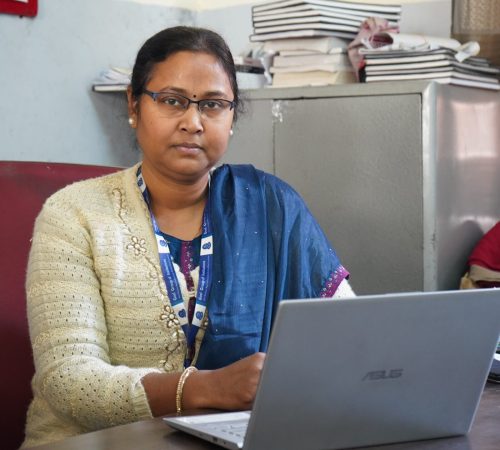
Dr. Priyanka Jaiswal
About Head
Program Educational Objectives (PEO)
- PEO1: To equip students with the professional ethics necessary to solve research- and industry- focused problems in electronics and related fields in the modern world.
- PEO2: To provide comprehensive theoretical knowledge and hands-on experience with cutting- edge technologies in the field of electronics engineering with a global perspective in order to prepare students for further education.
- PEO3: To equip students with the necessary teamwork, leadership, creative thinking, and managerial skills to launch their own enterprise or become entrepreneurs in the field of electronics engineering.
- PEO4: To inspire students to acquire moral principles and develop into responsible members of society.
Program Outcomes (PO)
1-> Engineering knowledge: Apply the knowledge of mathematics, science, engineering fundamentals, and an engineering specialization to the solution of complex engineering problems.
2-> Problem analysis: Identify, formulate, review research literature, and analyze complex engineering problems reaching substantiated conclusions using first principles of mathematics, natural sciences, and engineering sciences.
3-> Design/development of solutions: Design solutions for complex engineering problems and design system components or processes that meet the specified needs with appropriate consideration for the public health and safety, and the cultural, societal, and environmental considerations.
4-> Conduct investigations of complex problems: Use research-based knowledge and research methods including design of experiments, analysis and interpretation of data, and synthesis of the information to provide valid conclusions..
5-> Modern tool usage: Create, select, and apply appropriate techniques, resources, and modern engineering and IT tools including prediction and modelling to complex engineering activities with an understanding of the limitations.
6-> The engineer and society: Apply reasoning informed by the contextual knowledge to assess societal, health, safety, legal and cultural issues and the consequent responsibilities relevant to the professional engineering practice.
7-> Environment and sustainability: Understand the impact of the professional engineering solutions in societal and environmental contexts, and demonstrate the knowledge of, and need for sustainable development.
8-> Ethics: Apply ethical principles and commit to professional ethics and responsibilities and norms of the engineering practice.
9-> Individual and team work: Function effectively as an individual, and as a member or leader in diverse teams, and in multidisciplinary settings.
10-> Communication: Communicate effectively on complex engineering activities with the engineering community and with society at large, such as, being able to comprehend and write effective reports and design documentation, make effective presentations, and give and receive clear instructions.
11-> Project management and finance: Demonstrate knowledge and understanding of the engineering and management principles and apply these to one’s own work, as a member and leader in a team, to manage projects and in multidisciplinary environments.
12-> Life-long learning: Recognize the need for, and have the preparation and ability to engage in independent and life-long learning in the broadest context of technological change.
Program Specific Outcomes (PSO)
- PSO 1: Apply knowledge of basic sciences, engineering mathematics, and fundamentals to analyze complex Electronics & Communication Engineering problems, ensuring effective solutions in signal processing, communication systems, embedded systems, and circuit design.
- PSO 2:Design Electronics & Communication systems integrating electronic devices, software, and hardware by leveraging analytical knowledge, modern tools, and engineering principles for efficient signal processing and communication technologies.
- PSO 3: Apply interdisciplinary engineering approaches to Wireless communications, Internet of Things and VLSI design for innovative solutions and technological advancements.
Faculty Members
| S.No. | Name | Designation | Qualification |
|---|---|---|---|
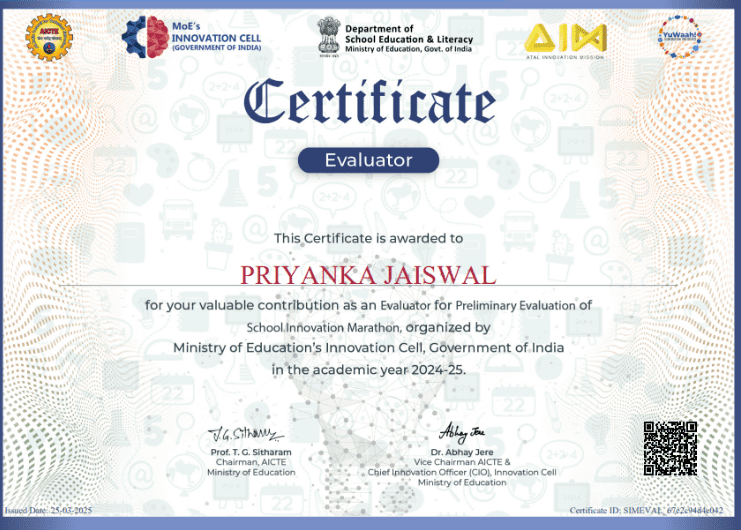
| 1 | Dr. Priyanka Jaiswal | Associate Professor & HOD | Ph.D |
| 2 | Dr. Iram Malik | Associate Professor | Ph.D |
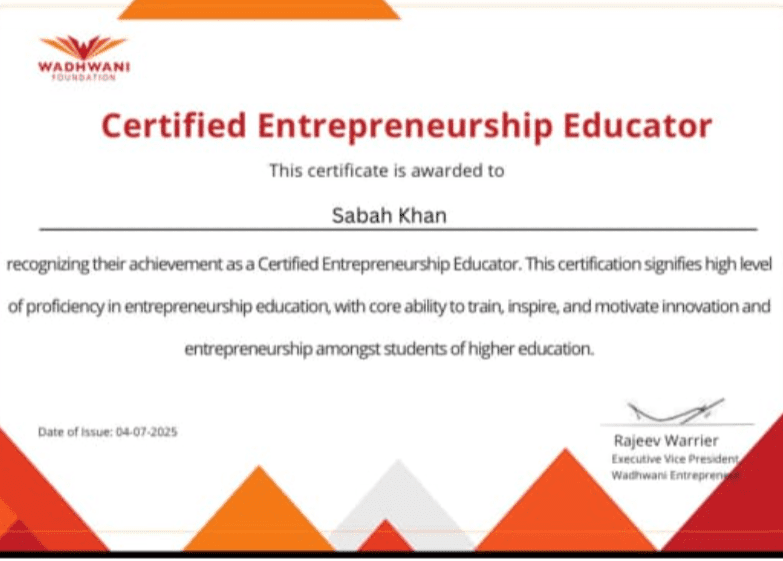
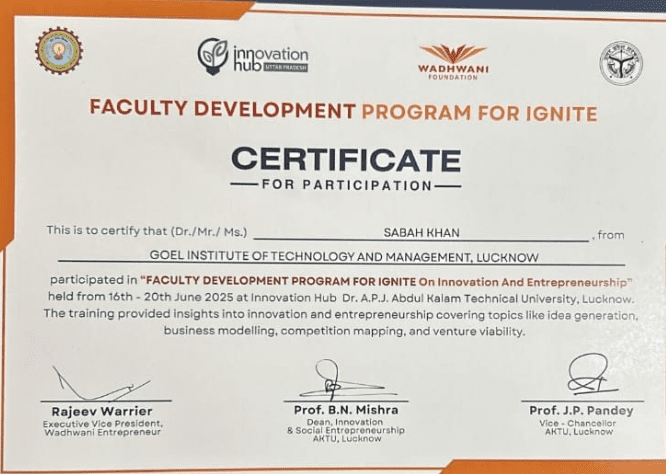
| 3 | Mrs. Sabah Khan | Associate Professor | Master of Technology |
| 4 | Mr. Pradeep Kumar | Asst Professor | Master of Technology, Ph.D (Pursuing) |
| 5 | Mr. Prabhakar Dubey | Asst Professor | Master of Technology, Ph.D (Pursuing) |
| 6 | Mr. Abhishek Kulshrestha | Asst Professor | Master of Technology |
| 7 | Mr. Faseeh Ahmad | Asst Professor | Master of Technology |
| 8 | Ms. Malini Purwar | Asst Professor | Master of Technology |
| 9 | Mr. Arpit Yadav | Asst Professor | Master of Technology |
| 10 | Ms. Preeti Gaurav | Asst Professor | Master of Technology |
| 11 | Mr. Shan Satyarthi | Asst Professor | Master of Technology |
| 12 | Mr. Amitendra Shukla | Asst Professor | Master of Technology |
| 13 | Ms. Supriya Kumari | Asst Professor | Master of Technology |
| 14 | Mr. Atul Kumar Verma | Asst Professor | Master of Technology |
| 15 | Mr. Nadeem Ahmad | Asst Professor | Master of Technology |
| 16 | Mr. Dileep Kumar | Asst Professor | Master of Technology |
| 17 | Mrs. Riddhi Mishra | Asst Professor | Master of Technology |
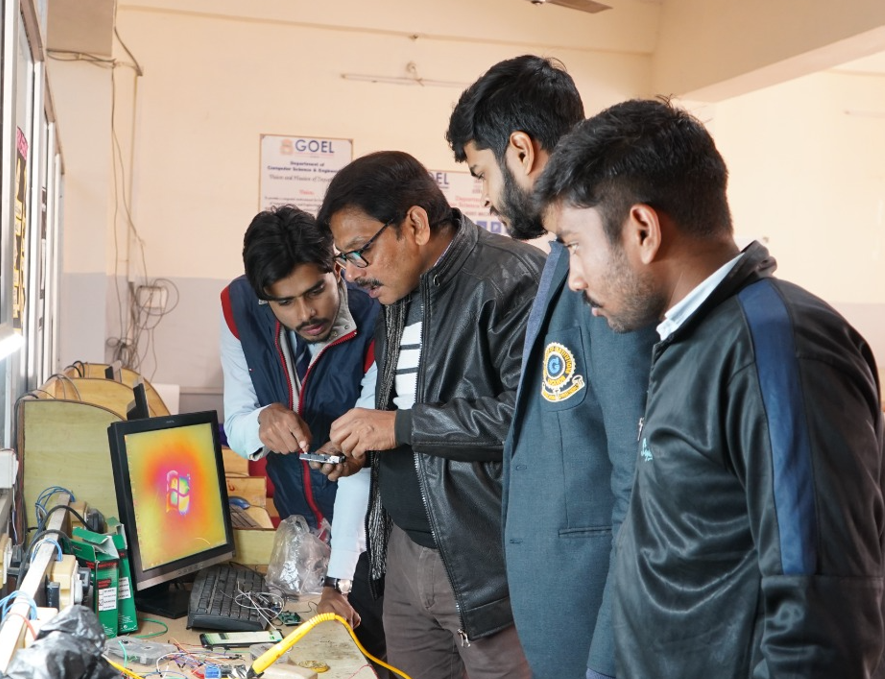
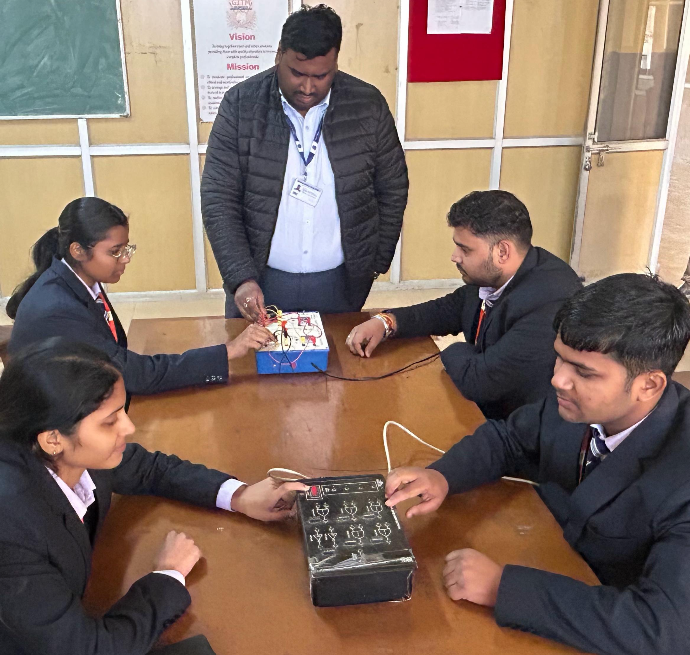

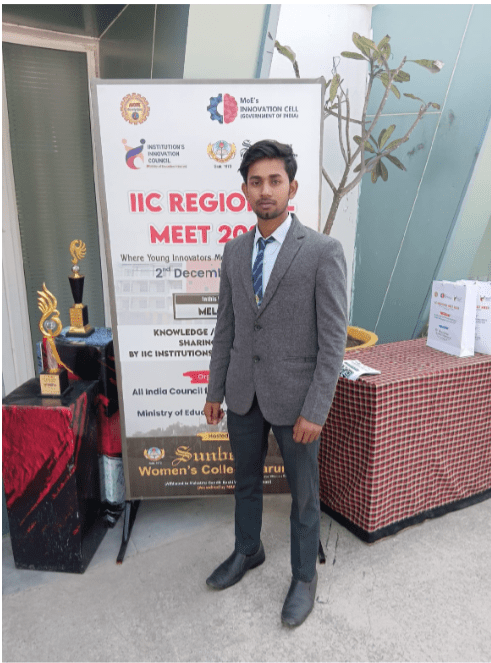
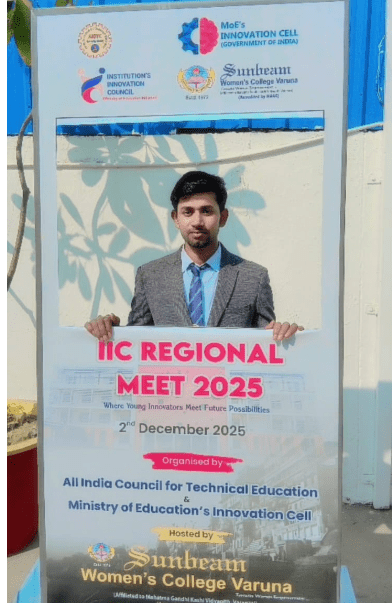
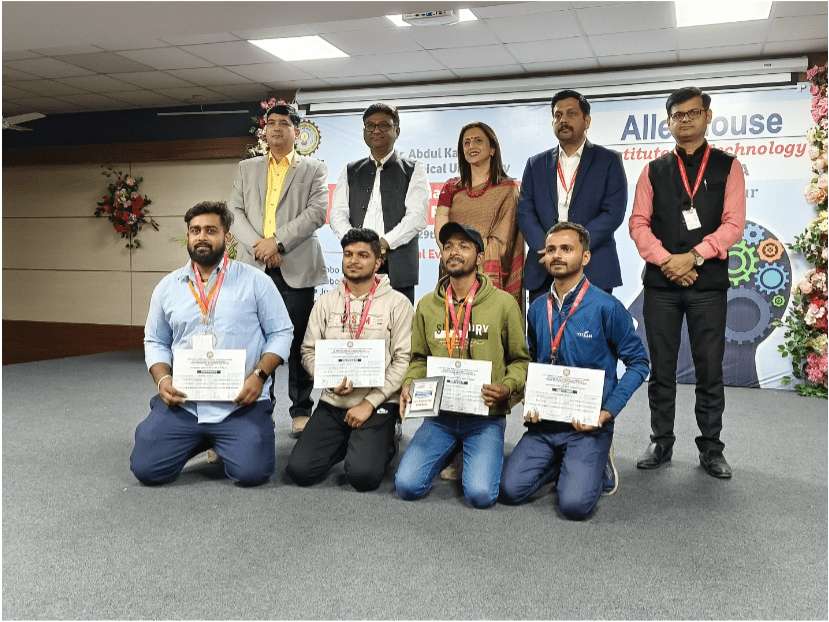
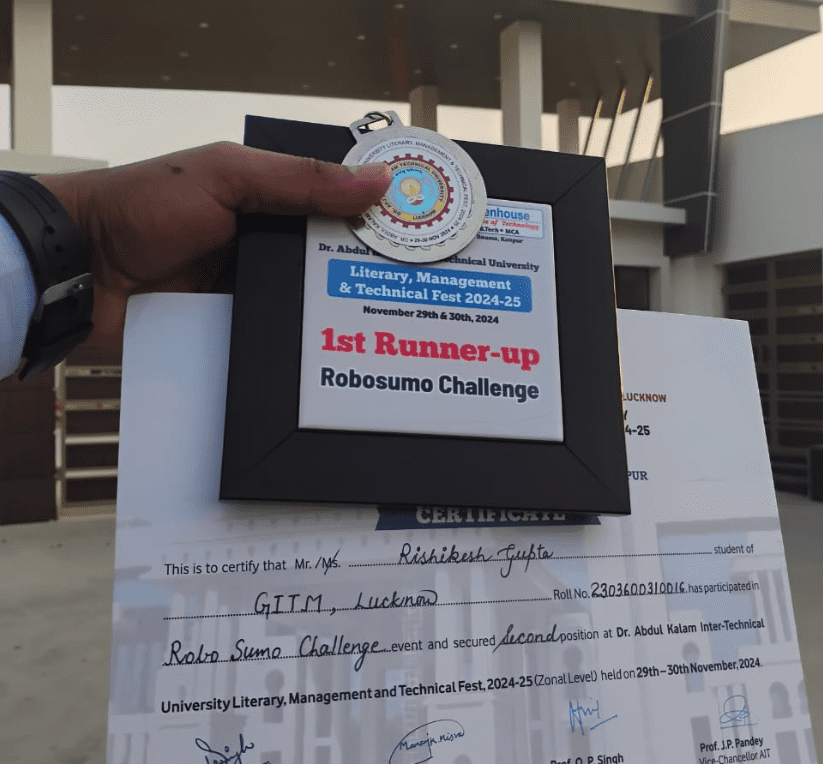
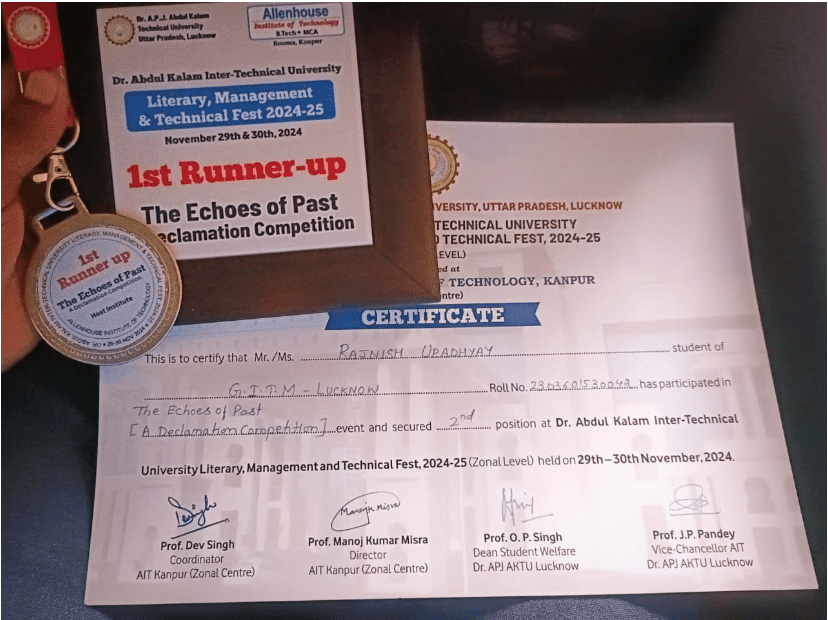
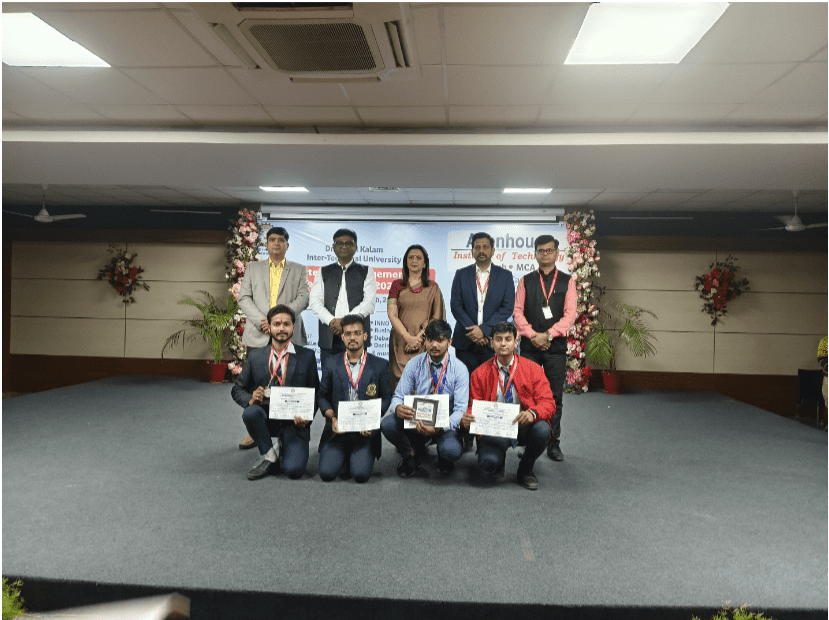
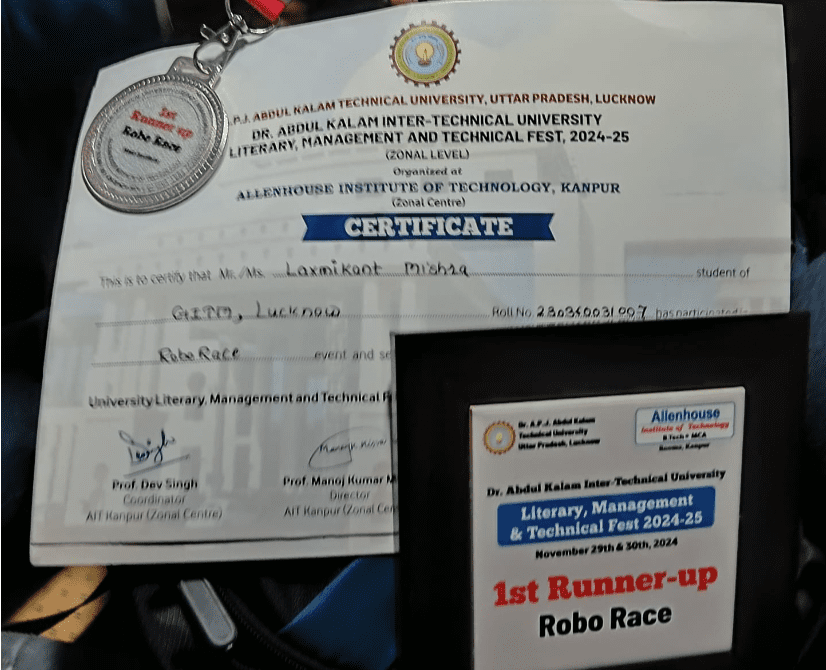
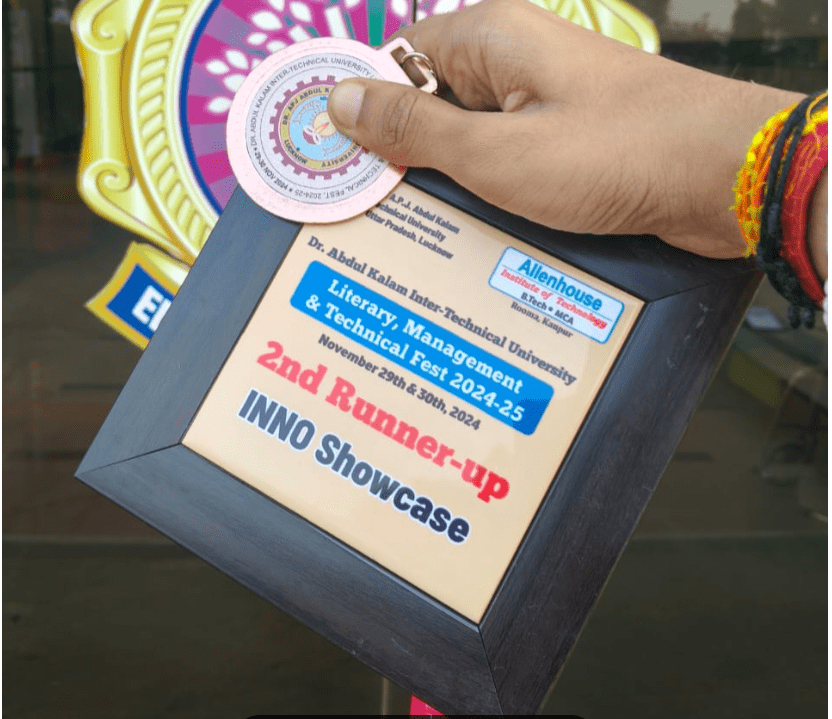
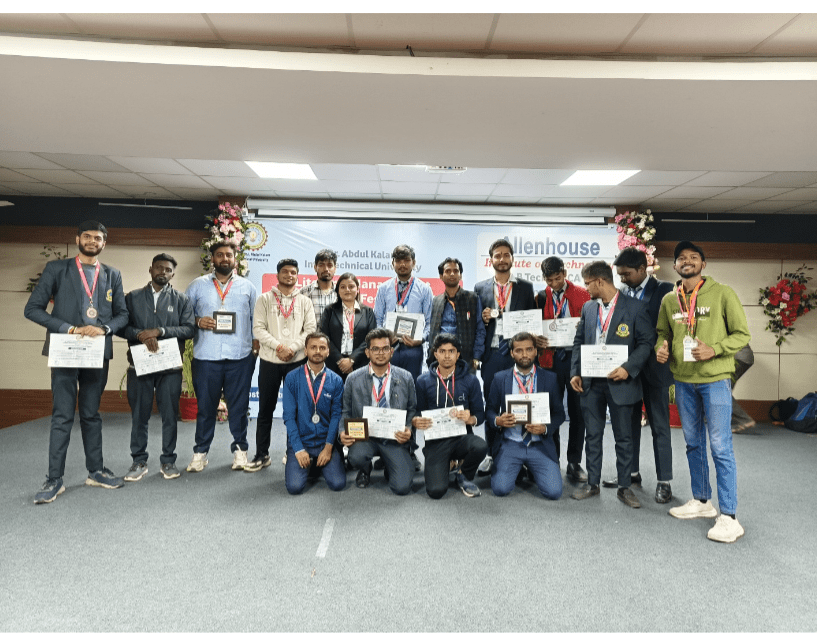
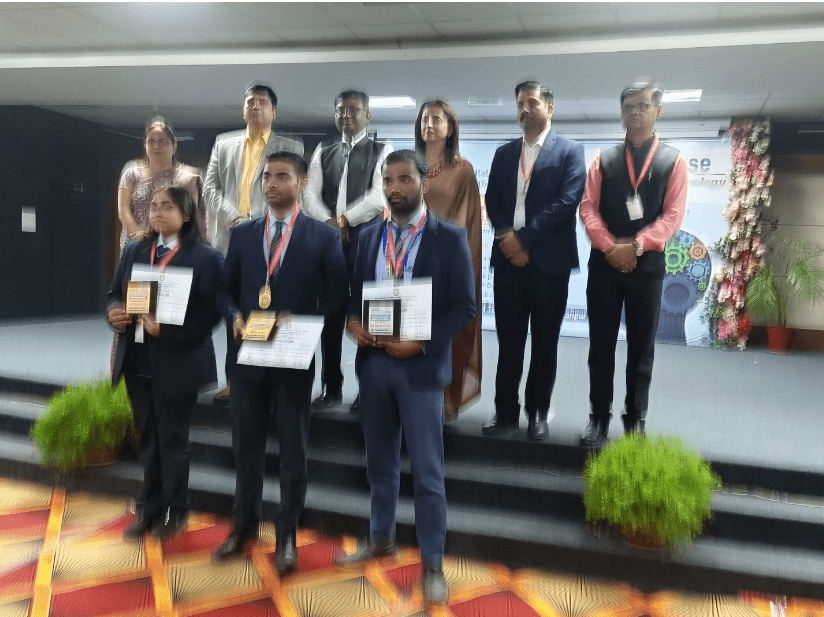
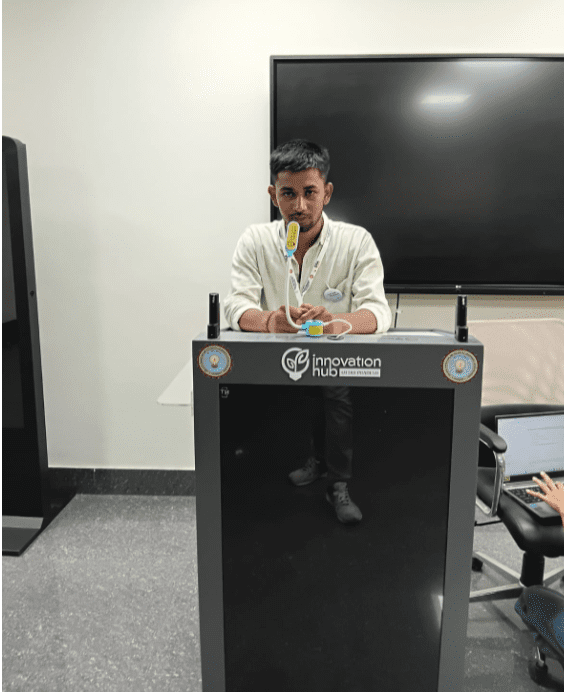
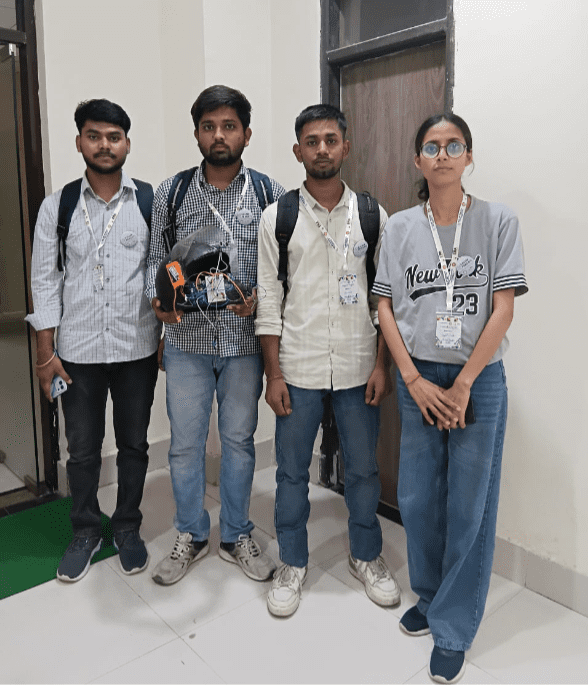
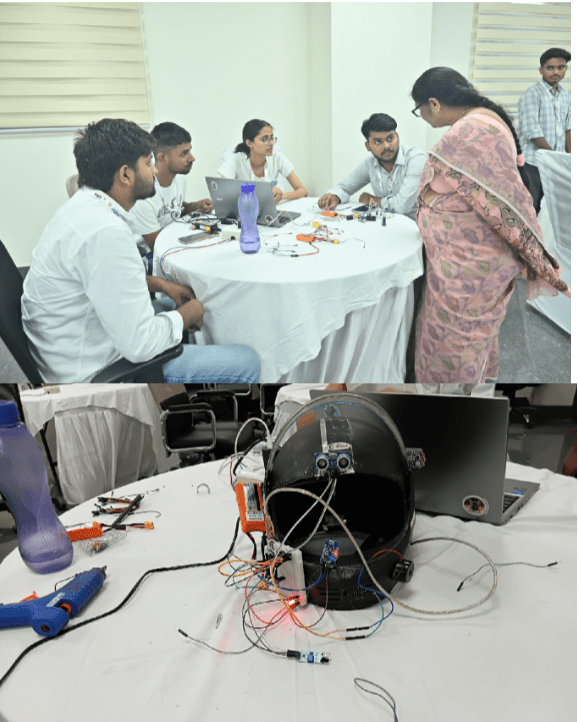
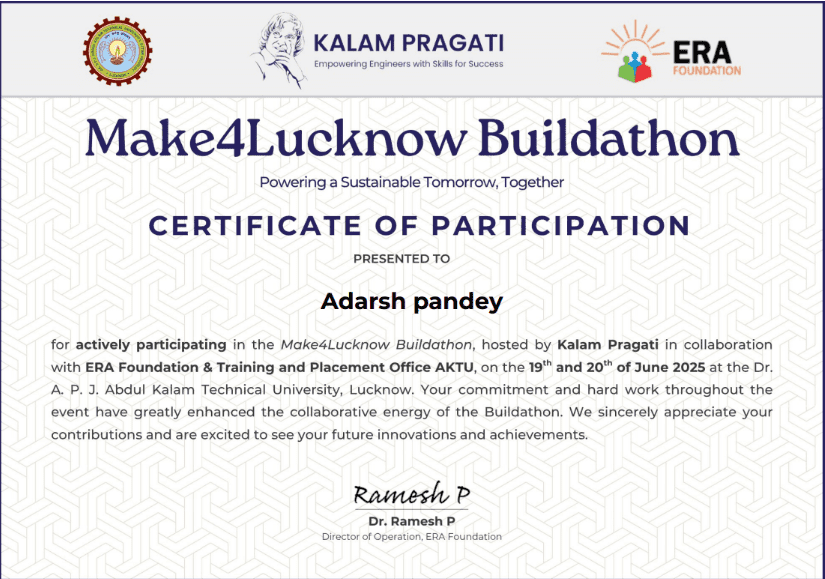
Achievements of Electronics Communication Engineering Department
Electronics Communication Engineering Departmental Activities
Organized an offline IoT training (23 Sept–14 Nov 2025) with Scortek India Pvt. Ltd.,
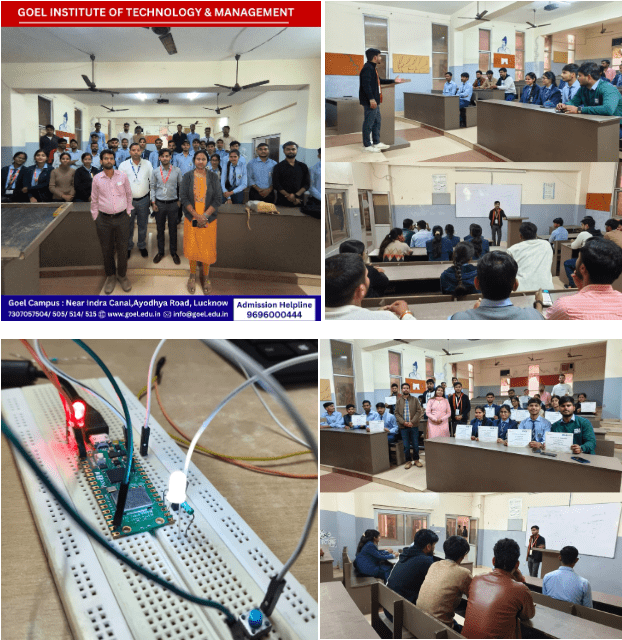
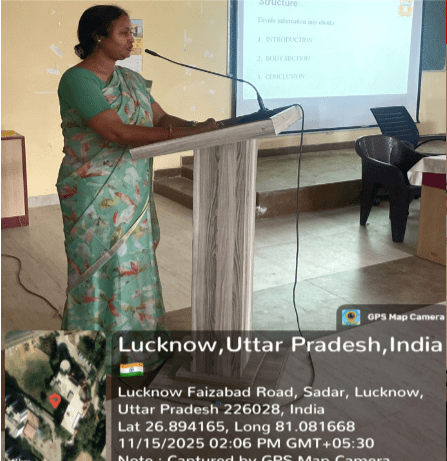
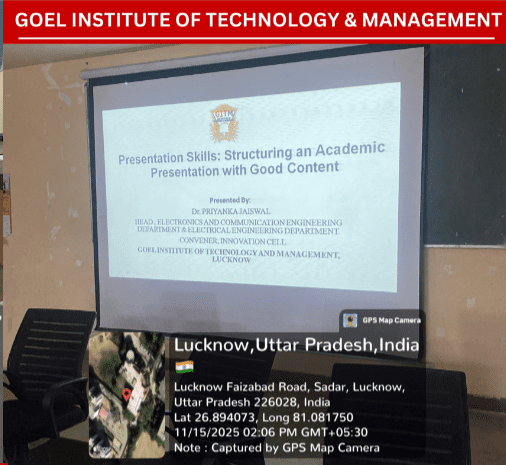
Ayurvedic Medical College attended a session by Dr. Priyanka Jaiswal,
An IoT Workshop by AKTU and Infosys Springboard Maker Lab on 31st October 2025
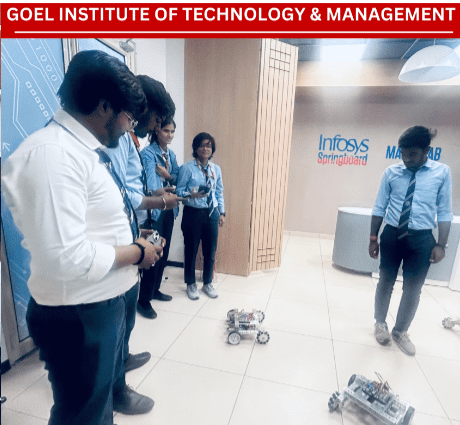
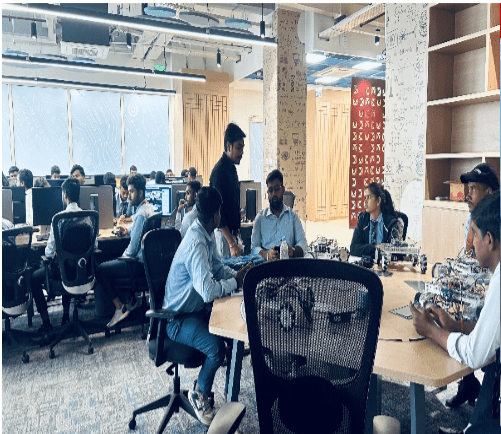
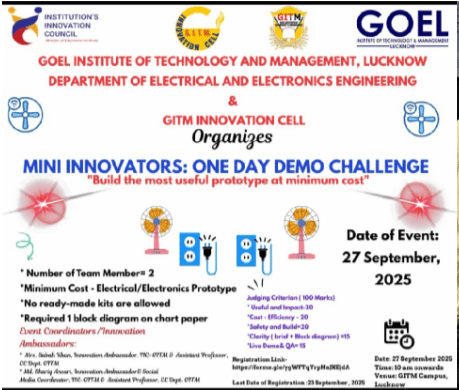
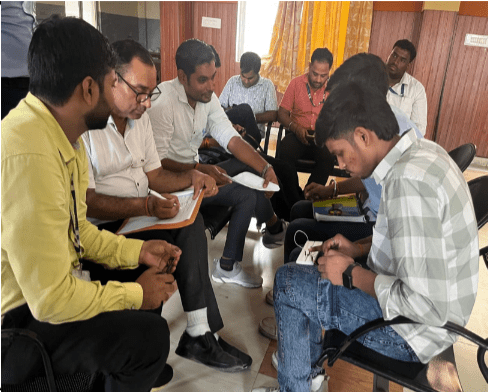
Build the most useful prototype at minimum cost
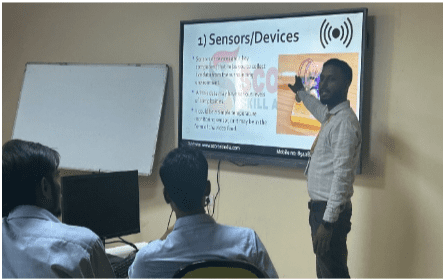
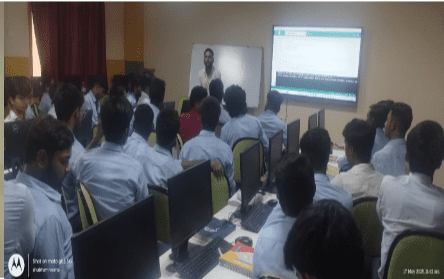
Innovation in Embedded Systems and Robotics for Future
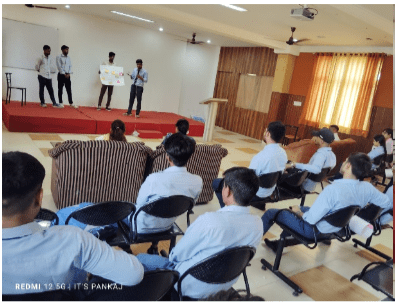
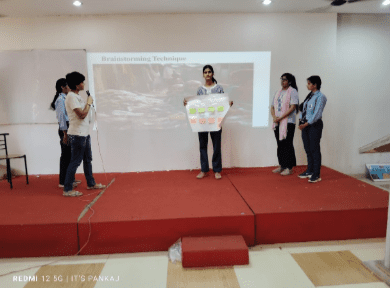
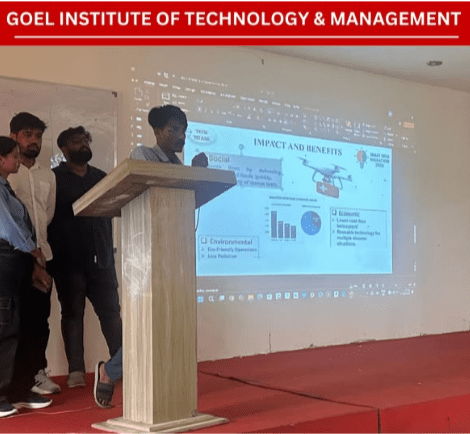
SDG Innovators: Ideas Today, Impact Tomorrow
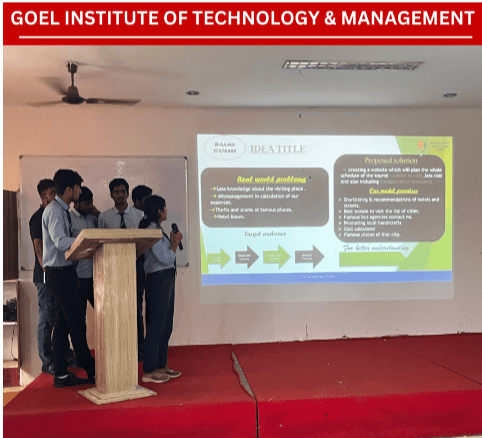
Idea Generation Competition–2025 on 15 September for Engineer’s Day.