
Electrical Engineering
About the Department
Vision of the Department
To provide enhanced technical education for transforming aspirants from various
background at par with global level Electrical engineer.
Mission of the Department
- M1: To impart quality education with practical knowledge in the field of Electrical engineering.
- M2: To ensure technically skilled engineers who serve future requirements of power sector and automation industry, with ethical and moral values.
- M3:To empower every students by exposing them a strong and positive learning environment by industry, academia and alumni interaction.
Head of Department’s Message
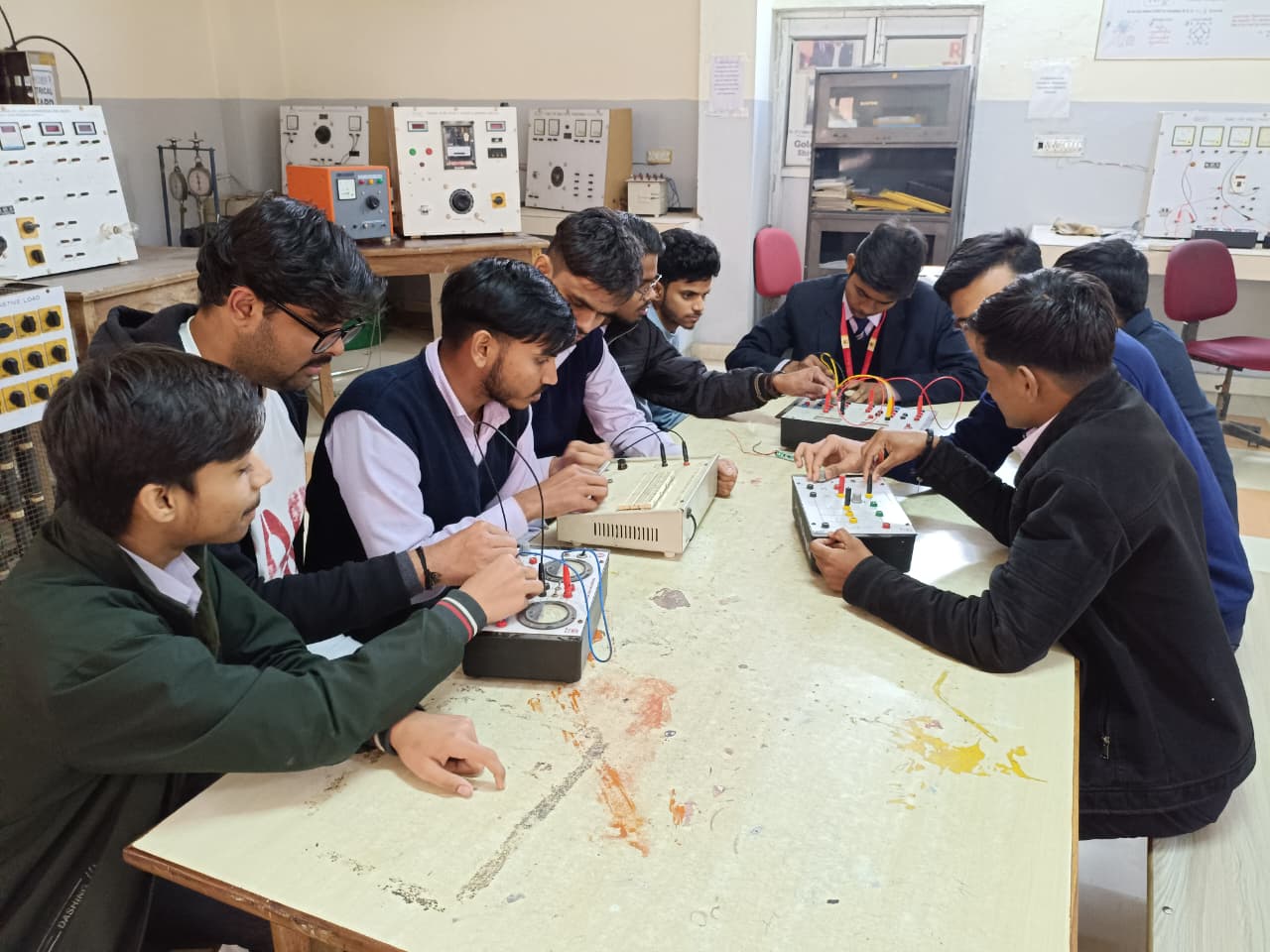
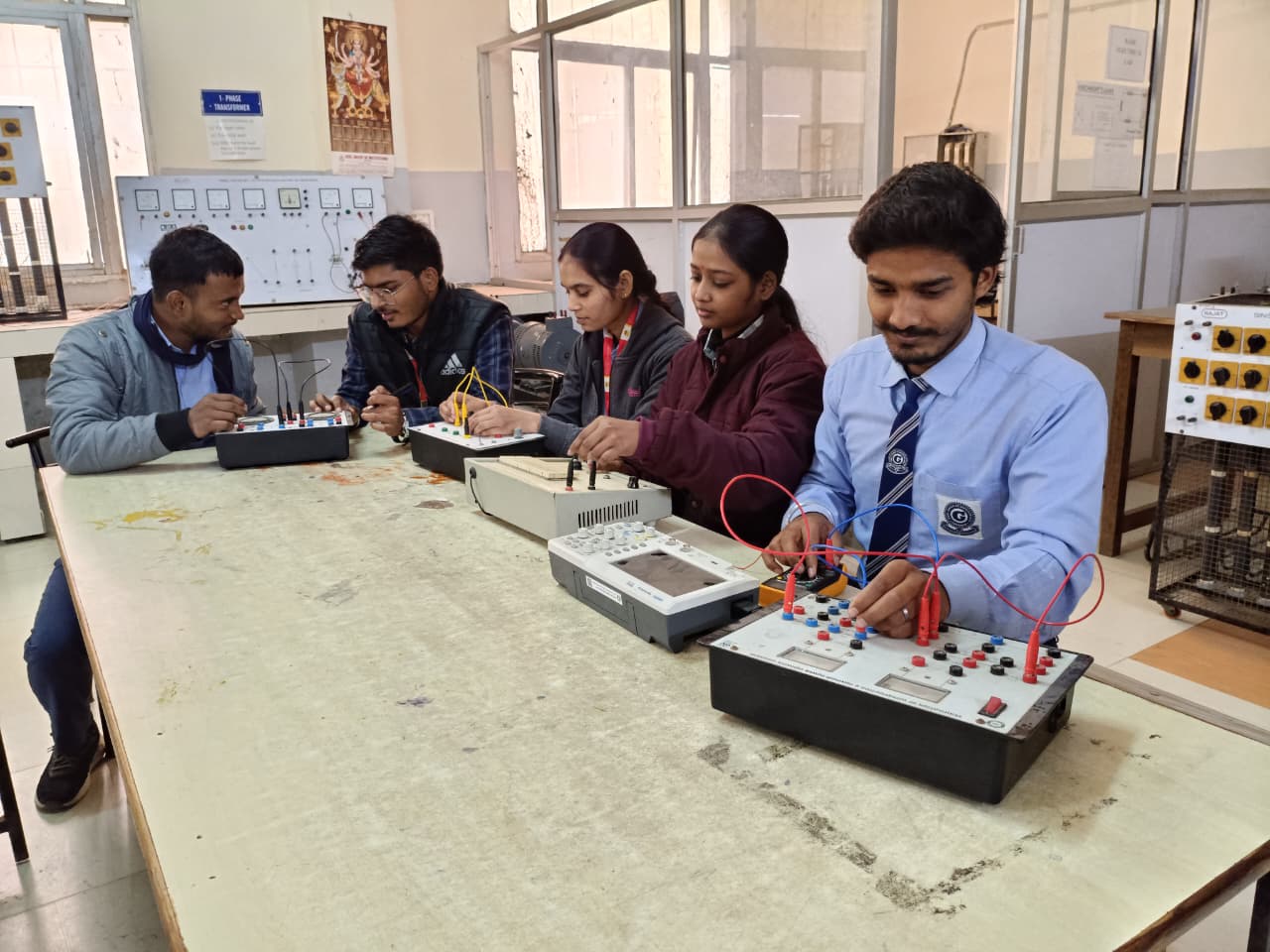
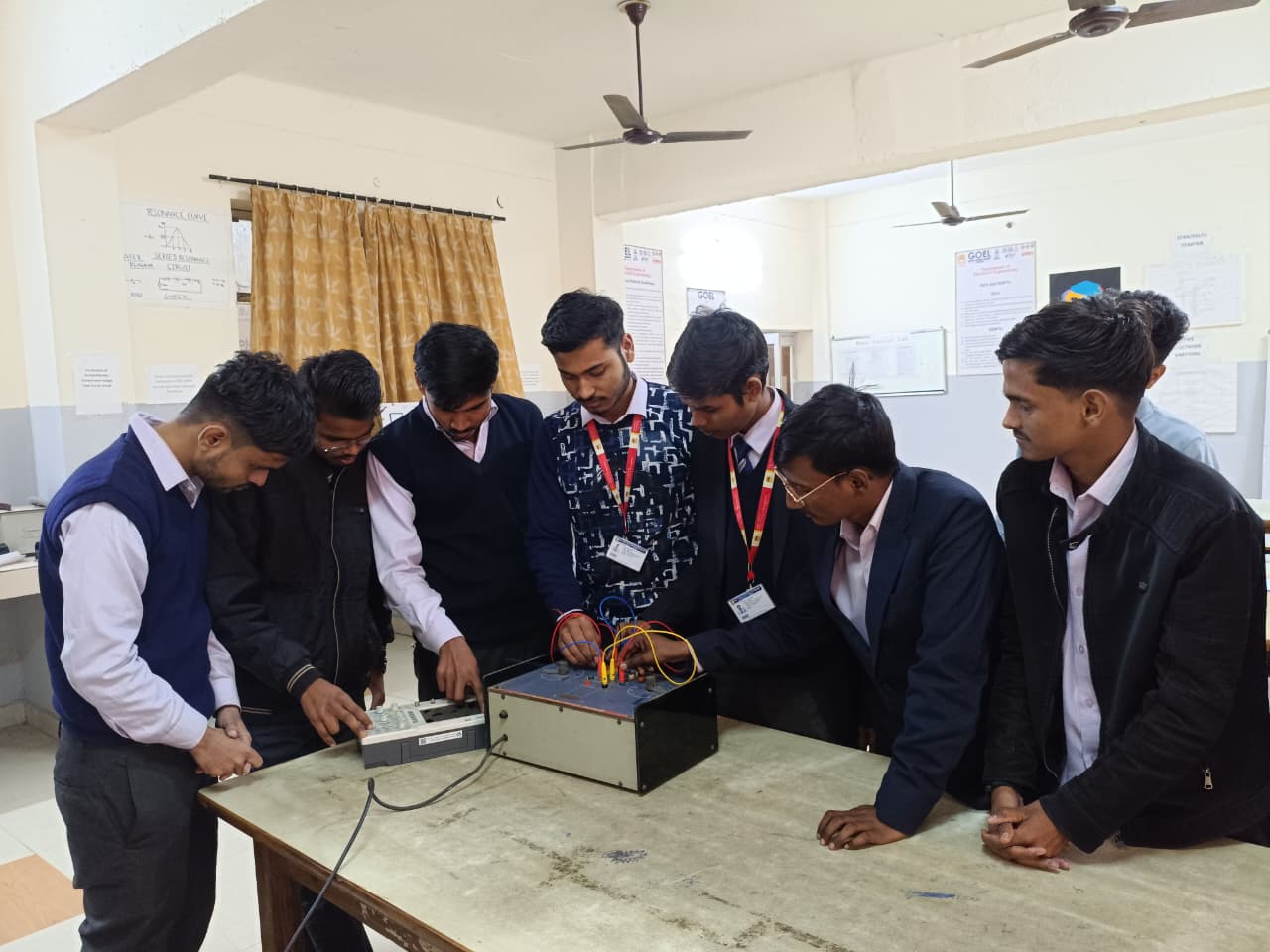
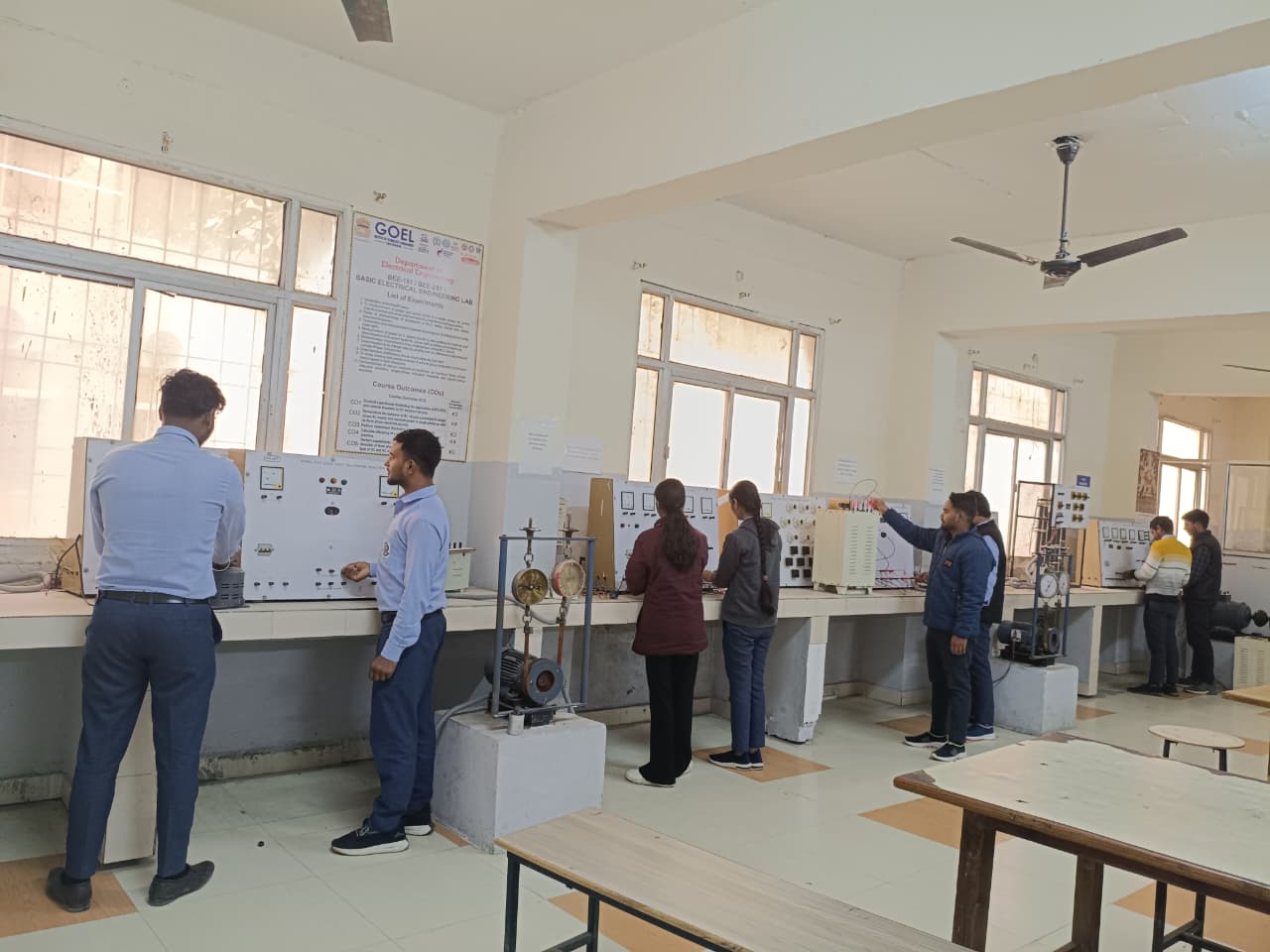
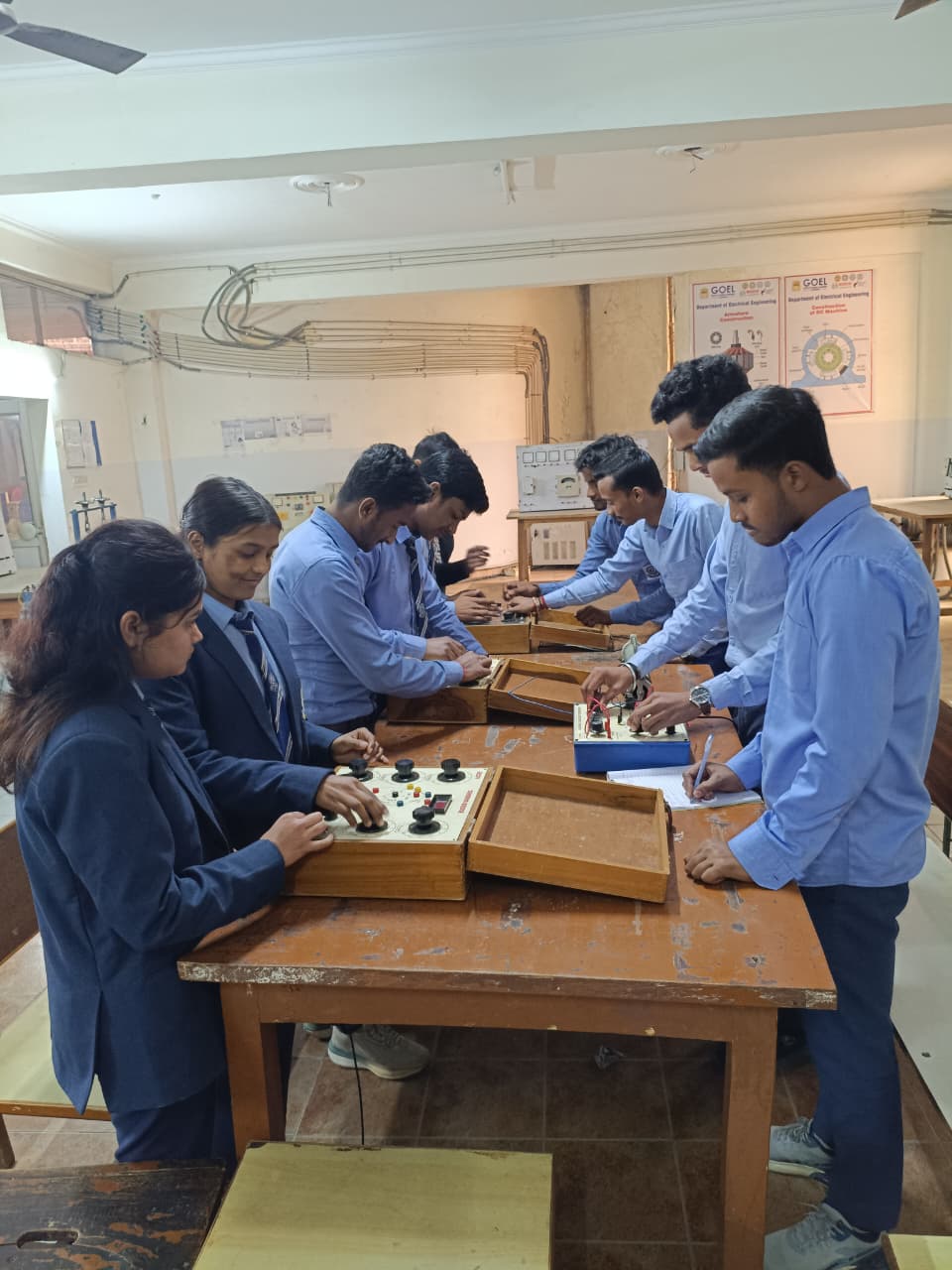
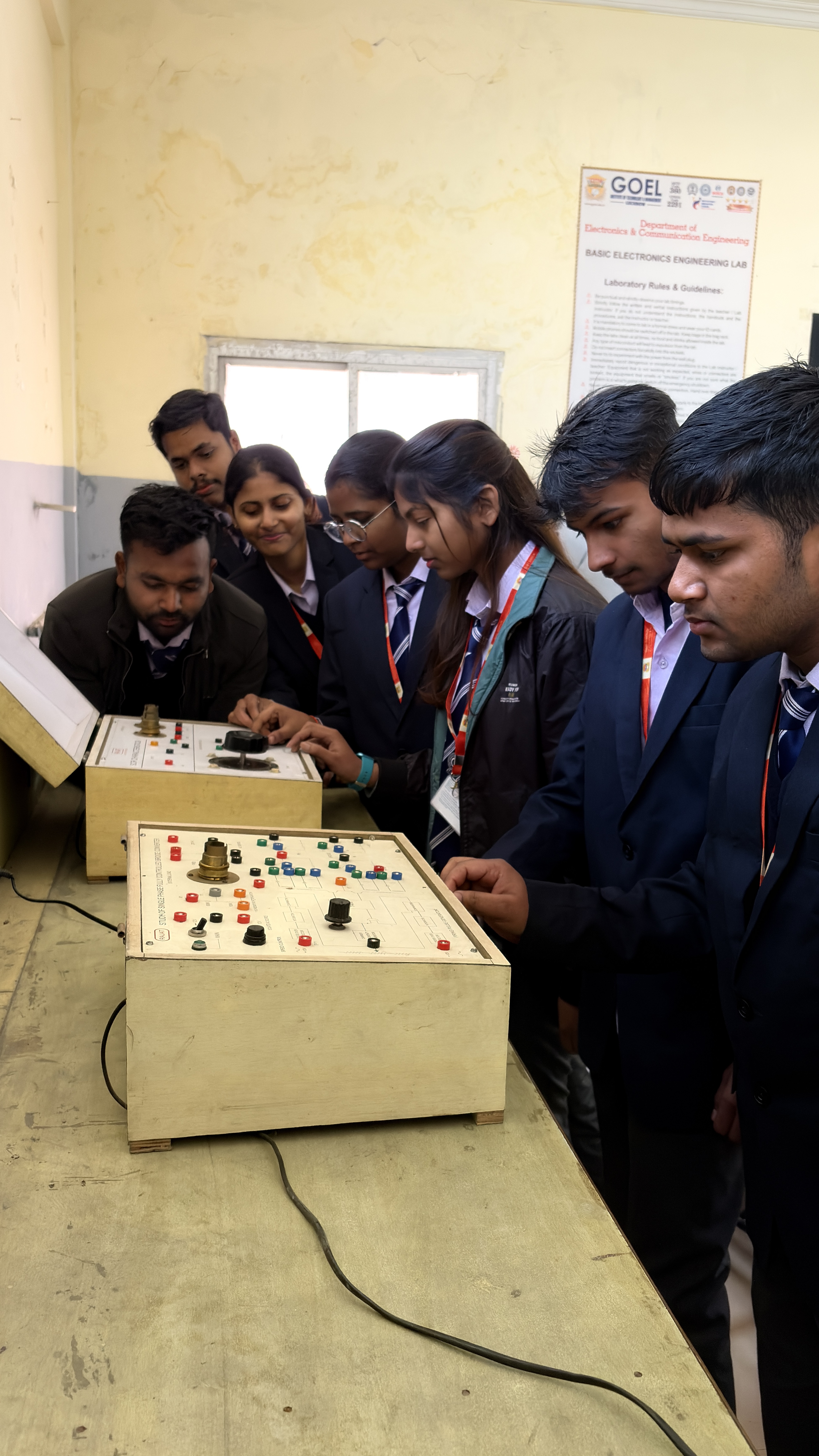
Supported by experienced and highly qualified faculty members, modern laboratories, and a learner-centric academic environment, we emphasize hands-on learning, innovation, and problem-solving. Students are encouraged to participate in research projects, national-level innovation programs, competitive examinations, and industry-oriented training to enhance their professional competence.
Our department actively promotes emerging and interdisciplinary domains such as Embedded Systems, IoT, Communication & Networking, and Microelectronics. We strive to inculcate ethical values, leadership qualities, and an entrepreneurial mindset, enabling our graduates to contribute effectively to technological advancement, startups, and sustainable societal development.
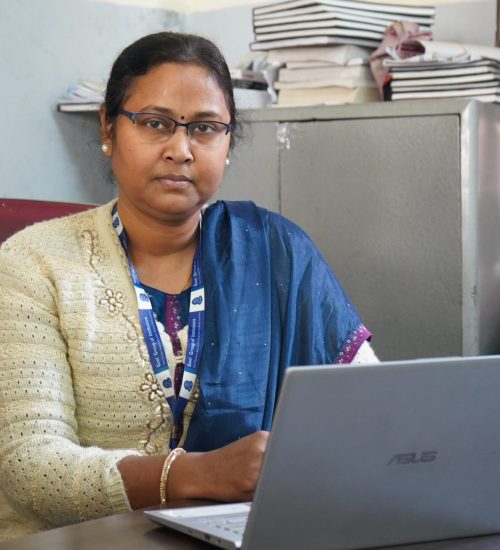
Dr. Priyanka Jaiswal
She has over 10 years of academic experience and completed her Ph.D. in Electronic Science in 2017. She also qualified UGC-NET in Electronic Science in 2018. Her teaching expertise spans a wide range of core subjects including Basic Electronics, Digital Electronics, Electronic Devices and Circuits, and Microprocessor & Microcontroller, where she emphasizes conceptual clarity, practical learning, and inclusive pedagogy.
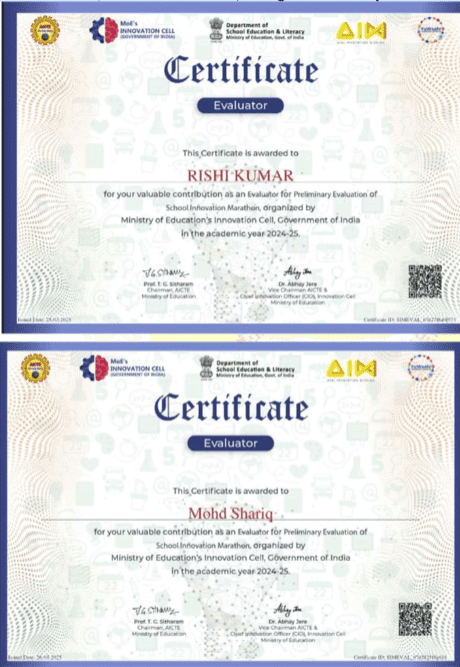
Since June 2020, Dr. Jaiswal has been serving as the Convener of the Institutional Innovation Council (IIC) and Coordinator of the National Innovation & Start-up Policy (NISP) at GITM. She has undergone formal training on NISP implementation organized by MoE’s Innovation Cell and AICTE and has successfully completed Innovation Ambassador Training (Foundation, Advanced, and Reskilling Levels) along with several Innovation and Entrepreneurship development programs. As an Innovation Ambassador, she actively promotes innovation and entrepreneurship on campus by mentoring students for Smart India Hackathon (SIH) and YUKTI, evaluating school innovation projects, judging entrepreneurship events, coordinating the Mentor–Mentee Program under IIC 6.0, and serving as Local Coordinator for AICTE-recognized FDPs. She plays a key role in guiding students through GITM’s Innovation Cell, fostering a vibrant ecosystem of innovation, startups, and research-driven learning.
Program Educational Objectives (PEO)
- PEO1: To prepare students for delivering solutions of industrial and research-oriented problems in electrical and allied disciplines with professional ethics in current scenario.
- PEO2: To train students for higher studies by delivering complete theoretical knowledge and practical exposure of advanced technologies in the field of electrical engineering with a worldwide outlook.
- PEO3: To impart capabilities of teamwork, leadership, creative thinking and managerial skills to students in order to start-up their business or develop as entrepreneur in the field of electrical engineering.
- PEO4: To encourage students to learn ethical human values as well as become responsible citizens of the society.
Program Outcomes (PO)
1-> Engineering knowledge: Apply the knowledge of mathematics, science, engineering fundamentals, and an engineering specialization to the solution of complex engineering problems.
2-> Problem analysis: Identify, formulate, review research literature, and analyze complex engineering problems reaching substantiated conclusions using first principles of mathematics, natural sciences, and engineering sciences.
3-> Design/development of solutions: Design solutions for complex engineering problems and design system components or processes that meet the specified needs with appropriate consideration for the public health and safety, and the cultural, societal, and environmental considerations.
4-> Conduct investigations of complex problems: Use research-based knowledge and research methods including design of experiments, analysis and interpretation of data, and synthesis of the information to provide valid conclusions..
5-> Modern tool usage: Create, select, and apply appropriate techniques, resources, and modern engineering and IT tools including prediction and modelling to complex engineering activities with an understanding of the limitations.
6-> The engineer and society: Apply reasoning informed by the contextual knowledge to assess societal, health, safety, legal and cultural issues and the consequent responsibilities relevant to the professional engineering practice.
7-> Environment and sustainability: Understand the impact of the professional engineering solutions in societal and environmental contexts, and demonstrate the knowledge of, and need for sustainable development.
8-> Ethics: Apply ethical principles and commit to professional ethics and responsibilities and norms of the engineering practice.
9-> Individual and team work: Function effectively as an individual, and as a member or leader in diverse teams, and in multidisciplinary settings.
10-> Communication: Communicate effectively on complex engineering activities with the engineering community and with society at large, such as, being able to comprehend and write effective reports and design documentation, make effective presentations, and give and receive clear instructions.
11-> Project management and finance: Demonstrate knowledge and understanding of the engineering and management principles and apply these to one’s own work, as a member and leader in a team, to manage projects and in multidisciplinary environments.
12-> Life-long learning: Recognize the need for, and have the preparation and ability to engage in independent and life-long learning in the broadest context of technological change.
Program Specific Outcomes (PSO)
- PSO-1: Applying fundamental knowledge to identify, formulate, and analyze real-time challenges in Electrical Machines, Power Electronics, Control Systems, Instrumentation, and Power Systems for effective problem-solving and innovation.
- PSO-2: Applying recent techniques and modern software tools to design, simulate, and analyze electrical and electronic systems while fostering continuous lifelong learning in engineering applications.
- PSO-3:Utilizing knowledge of project management techniques and sustainable technologies to develop projects in Smart Power Grid, Automatic Controllers, Advanced Power System Protection, Power Quality, Energy Saving and Embedded Systems.
Faculty Members
| S.No. | Name | Designation | Qualification |
|---|---|---|---|
| 1 | Dr. Rishi Asthana | Principal / Director | Ph.D |
| 2 | Mr. Dheeraj Kumar | Asst Professor | Master of Technology, Ph.D (Pursuing) |
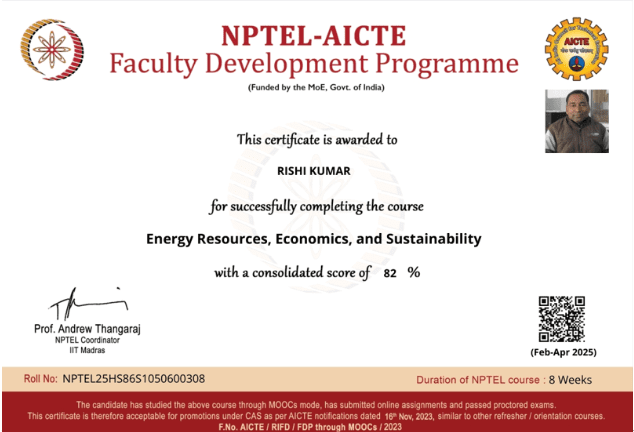
| 3 | Mr. Rishi Kumar | Asst Professor | Master of Technology, Ph.D (Pursuing) |
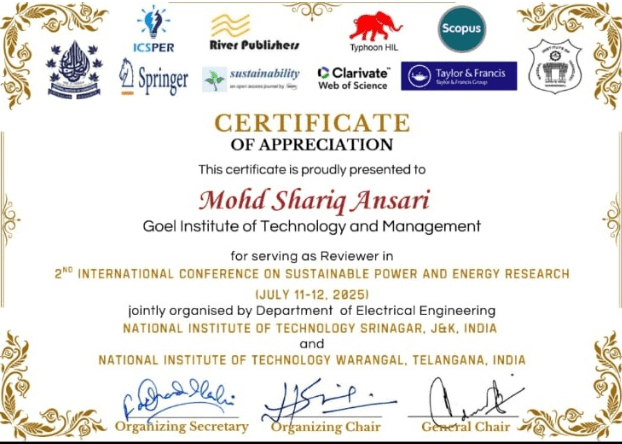
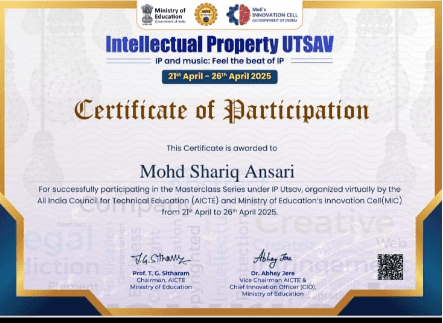
| 4 | Mr. Mohd Shariq Ansari | Asst Professor | Master of Technology, Ph.D (Pursuing) |
| 5 | Mr. Abhishek Jain | Asst Professor | Master of Technology, Ph.D (Pursuing) |
| 6 | Ms. Swatika Srivastava | Asst Professor | Master of Technology |
| 7 | Mrs. Anchal Yadav | Asst Professor | Master of Technology |
| 8 | Mr. Piyush Verma | Asst Professor | Master of Technology |
| 9 | Mr. Harshit Mishra | Asst Professor | Master of Technology |
| 10 | Ms. Sweety Sharma | Asst Professor | Master of Technology |
| 11 | Mrs. Subhana Siddiqui | Asst Professor | Master of Technology |
| 12 | Ms. Nancy Srivastava | Asst Professor | Master of Technology |
| 13 | Mr. Narendra Kumar | Asst Professor | Master of Technology |
| 14 | Mr. Vipin Kumar | Asst Professor | Master of Technology |
| 15 | Ms. Praval Sharma | Asst Professor | Master of Technology |
| 16 | Ms. Poonam Yadav | Asst Professor | Master of Technology |
| 17 | Mr. Amitendra Shukla | Asst Professor | Master of Technology |
| 18 | Mr. Rahul Kumar | Asst Professor | Master of Technology |
| 19 | Mr. Harendra Kumar | Asst Professor | Master of Technology |
| 20 | Kushketu Kundan Srivastava | Asst Professor | Master of Technology |
| 21 | Mr. Vinit Sharma | Asst Professor | Master of Technology |


Achievements of Electrical Engineering Department
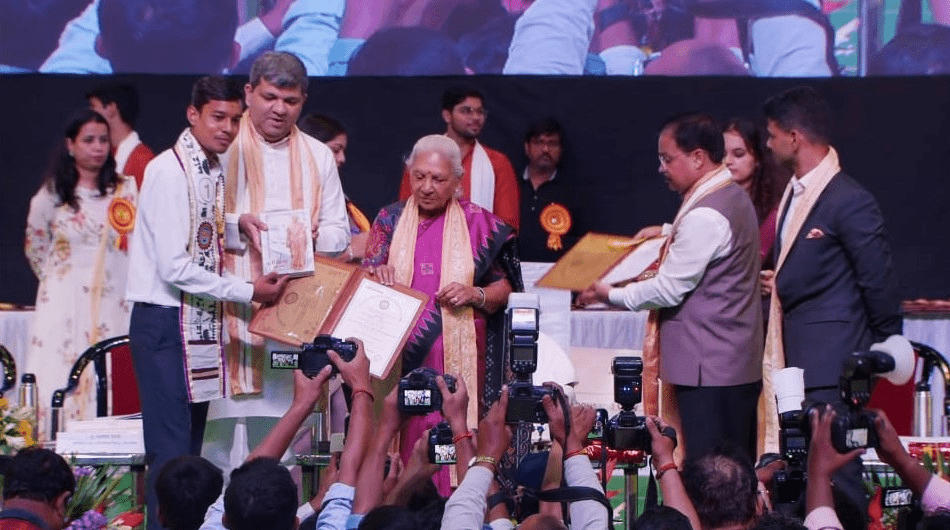
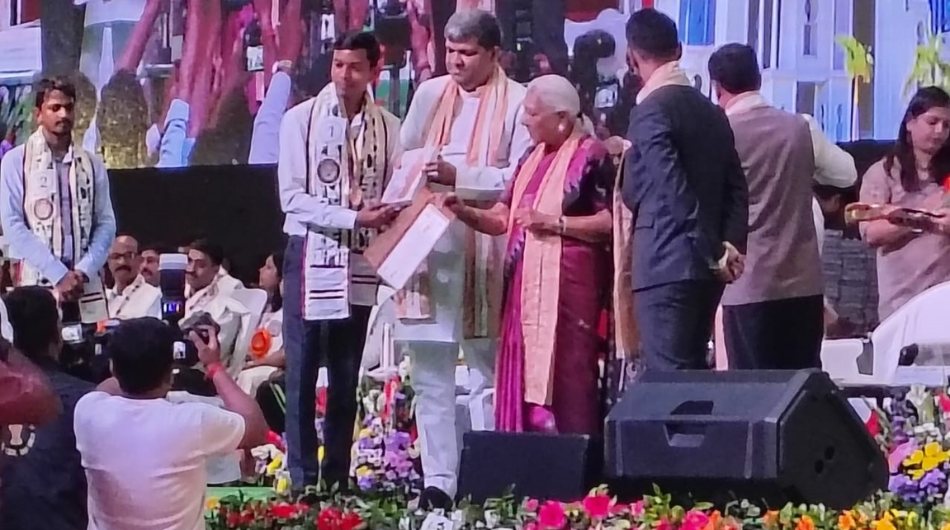
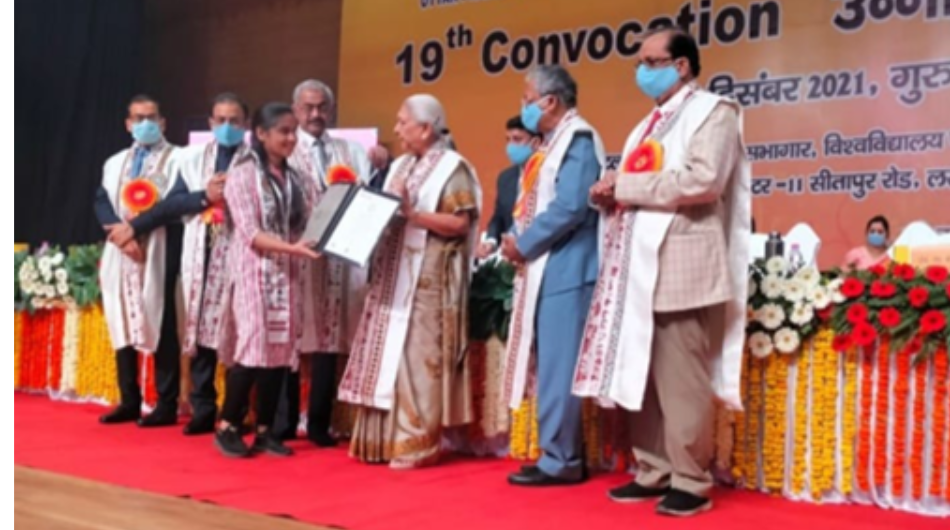
Heartiest congratulations to Abhishek Singh on being awarded the Gold Medal (AKTU Rank 1) in Electrical Engineering for the academic year 2024–2025 by Dr. A.P.J. Abdul Kalam Technical University.
This remarkable achievement reflects his exceptional academic excellence, dedication, and consistent hard work throughout the program. Securing the top position at the university level is a matter of immense pride for the entire institute. We wish him continued success and many more accomplishments in his future endeavors.
Electrical Engineering Departmental Activities
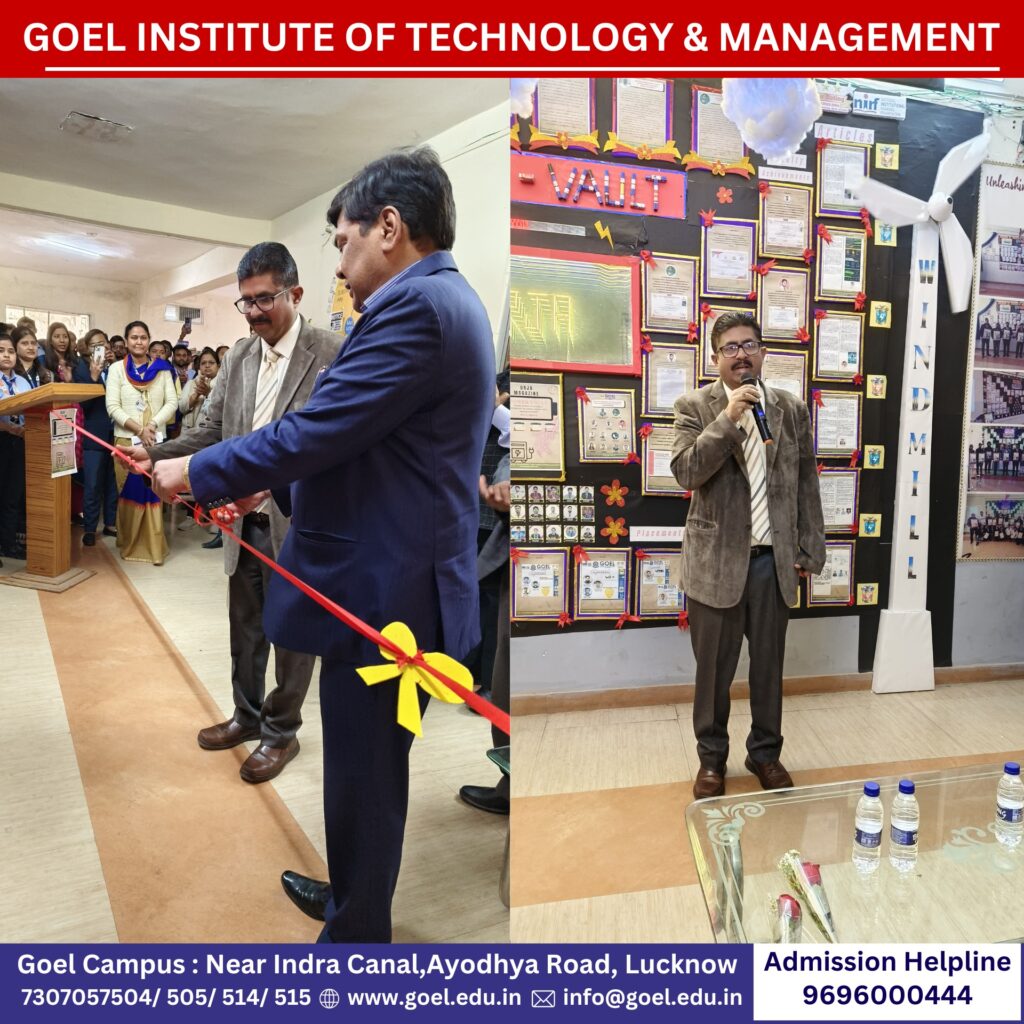
EEE Department celebrated Innovation Day on 15th October 2025
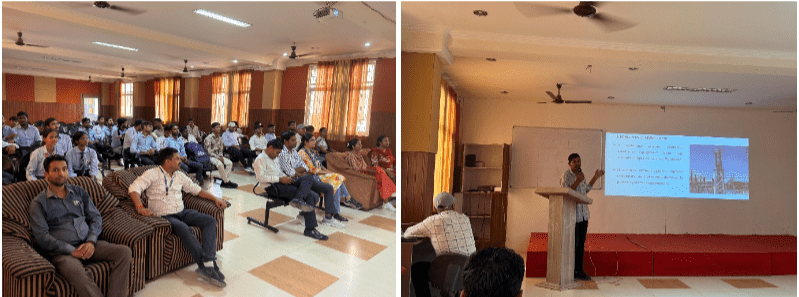
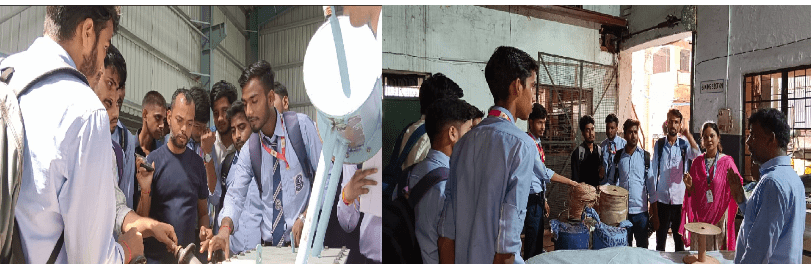
The Department of Electrical Engineering, GITM, organized an industrial visit
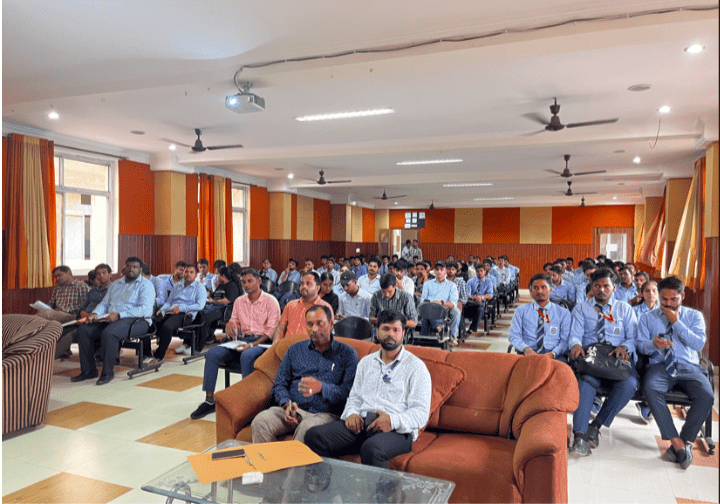
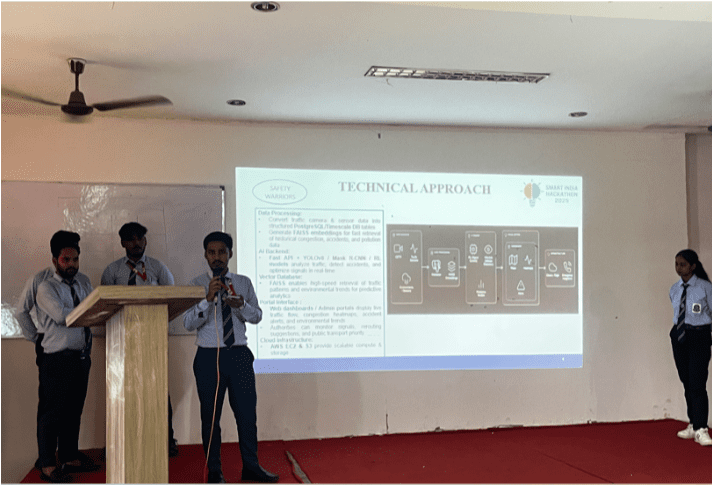
Organized the Idea Generation Competition–2025 on 15th September 2025,
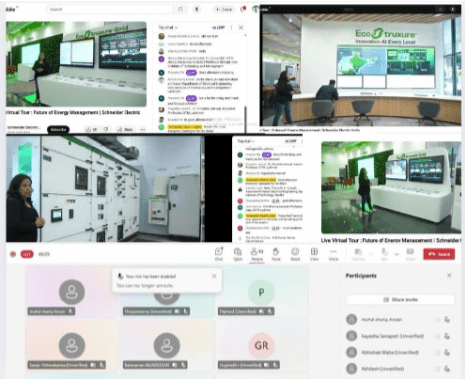
Discover the Future of Energy – Schneider Innovation Hub (Avinya Campus)
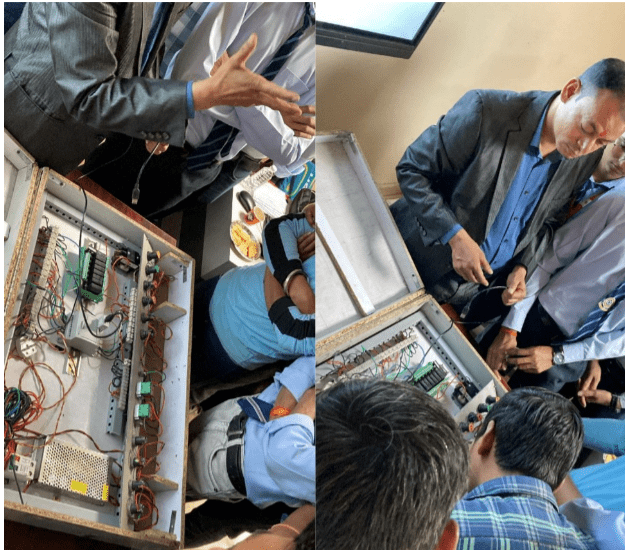
PLC and SCADA workshop on 2 June 2025.
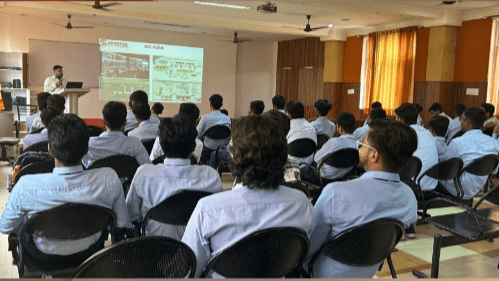
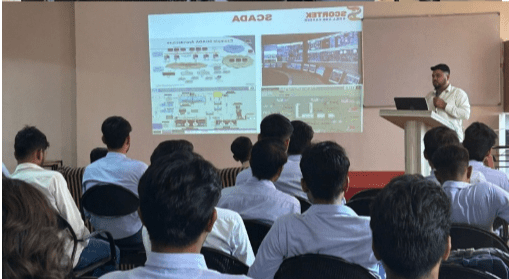
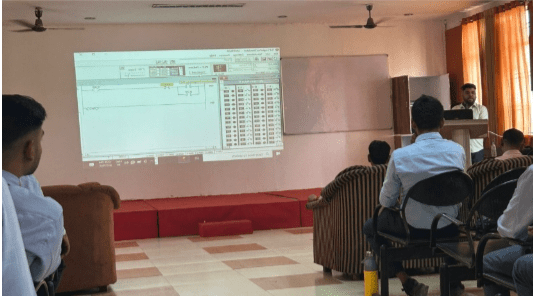
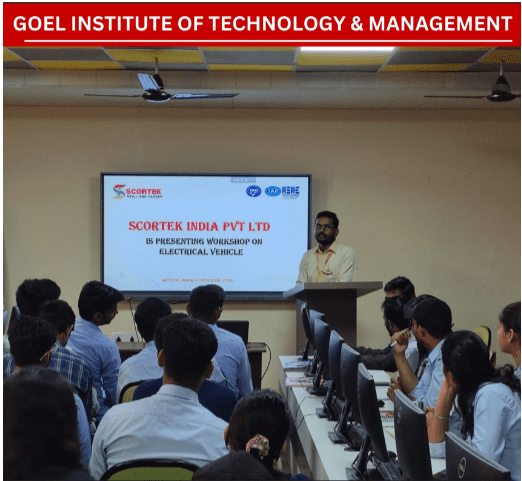
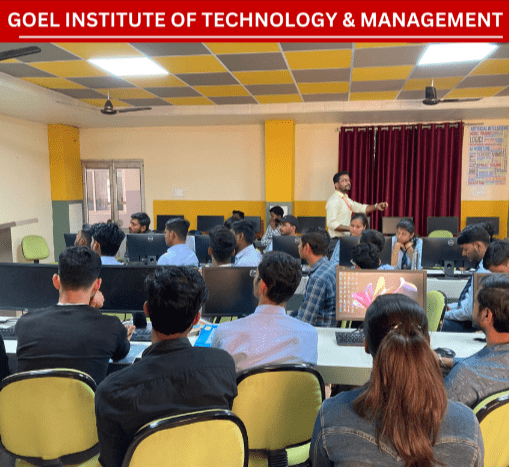
Organized a workshop on Emerging Technologies and Startups in Electric Vehicles on 5 March 2025.
Workshop on Innovative Applications of PLC & SCADA for Startups on 3 March 2025.