
Computer Science & Engineering Data Science
About the Course
Division of Computer Science and Engineering was set up in the year 2008, with the target of giving quality training in the field of Computer sciences. The division expects to be the Center of Excellence in giving worldwide standard training and conference in the field of software engineering and designing subsequently focuses to deliver internationally capable and self-restrained PC engineers. With quickly developing innovation and constant requirement for advancement, the office has consistently created quality experts, standing firm on significant footholds in the data innovation industry in India and abroad.
Our Vision
To provide a congenial environment for learning in discipline of Computer Science and Engineering, and to mobilize students towards serving a globalized technological society.
Our Mission
- To ensure that every engineering student is proficient with necessary computer skills.
- To familiarize students with latest developments in Computer Science and Information Technology and motivate them to embrace all challenges and be future ready.
- To inculcate strong ethical values, research capabilities, professional behavior and leadership abilities in your character so as to work with a commitment to the progress of the nation.
HoD Message
Dr. Anita Pal
Head of Department
Computer Science and Engineering
HoD Message
Learning is a continuous process and does not end with the acquisition of a degree, especially because steady and rapid advances in computing technologies shorten the life of tools and techniques prevalent today. Therefore, we do not aim to make our students walk manuals of any language or package. Instead, they are given a strong foundation in computer science and problem-solving techniques and are made adaptable to changes. We believe that this approach to teaching-learning, coupled with practical experience gained during Industrial Training in reputed organizations, equips our students to handle the challenges posed by the software industry. I am confident that you will find our students worthy of your organization.
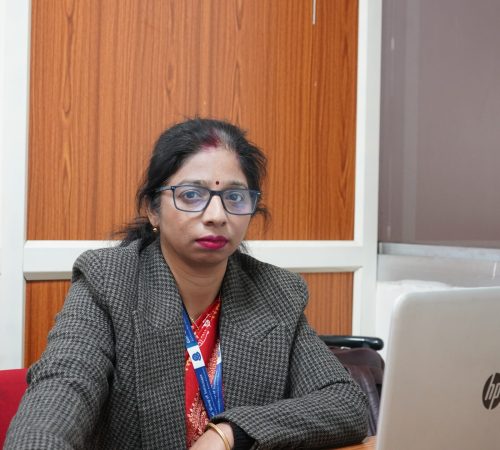
Dr. Anita Pal
Program Educational Objectives (PEO)
- PEO1. The Students graduating from the department shall be made proficient in all the necessary computer skills to make them job-ready for national and multi-national companies.
- PEO2. The Students graduating from the department shall be made familiar with the latest development in computer science so that they can pursue their carrier in higher studies.
- PEO3. The Students graduating from the department shall inculcate professional behaviour and leadership capabilities in their character to start up their own business or develop as an entrepreneur.
- PEO4. The Students graduating from the department shall be fed with strong ethical values so that they can become a boon for society.
Program Outcomes (PO)
- Engineering knowledge: Apply the knowledge of mathematics, science, engineering fundamentals, and an engineering specialization to the solution of complex engineering problems.
- Problem analysis: Identify, formulate, review research literature, and analyze complex engineering problems reaching substantiated conclusions using first principles of mathematics, natural sciences, and engineering sciences.
- Design/development of solutions: Design solutions for complex engineering problems and design system components or processes that meet the specified needs with appropriate consideration for the public health and safety, and the cultural, societal, and environmental considerations.
- Conduct investigations of complex problems: Use research-based knowledge and research methods including design of experiments, analysis and interpretation of data, and synthesis of the information to provide valid conclusions..
- Modern tool usage: Create, select, and apply appropriate techniques, resources, and modern engineering and IT tools including prediction and modelling to complex engineering activities with an understanding of the limitations.
- The engineer and society: Apply reasoning informed by the contextual knowledge to assess societal, health, safety, legal and cultural issues and the consequent responsibilities relevant to the professional engineering practice.
- Environment and sustainability: Understand the impact of the professional engineering solutions in societal and environmental contexts, and demonstrate the knowledge of, and need for sustainable development.
- Ethics: Apply ethical principles and commit to professional ethics and responsibilities and norms of the engineering practice.
- Individual and team work: Function effectively as an individual, and as a member or leader in diverse teams, and in multidisciplinary settings.
- Communication: Communicate effectively on complex engineering activities with the engineering community and with society at large, such as, being able to comprehend and write effective reports and design documentation, make effective presentations, and give and receive clear instructions.
- Project management and finance: Demonstrate knowledge and understanding of the engineering and management principles and apply these to one’s own work, as a member and leader in a team, to manage projects and in multidisciplinary environments.
- Life-long learning: Recognize the need for, and have the preparation and ability to engage in independent and life-long learning in the broadest context of technological change.
Program Specific Outcomes (PSO)
- PSO1: To provide relevant knowledge of mathematical and algorithmic skills with core subjects of computer science engineering elevated with standard tools and technologies along powered by the ethical and behavioural attitude in practice to have perfect suitability for industry, academia and research interfaces.
- PSO2: To inculcate the ability to use abstractions and modelling techniques for formulating real-world engineering problems of various domains and design solutions.
- PSO3: To enhance knowledge and skills of understanding, analyzing and developing strategies utilizing the advancement of computer science engineering in an upcoming area like data science, cloud computing, machine learning, computer vision and deep learning.
Faculty Members
| S.No. | Name | Designation | Qualification |
|---|---|---|---|
| 1 | Mr. Rishi Mohan Awasthi | Asst Professor | Master of Technology |
| 2 | Mr. Neeraj Kumar | Asst Professor | Master of Technology |
Laboratory
Data Structures Using C Lab
Discrete Structure & Logic Lab
Computer Organization & Architecture Lab
Compiler Design Lab
Database Management System Lab
Web Technology Lab
Design and Analysis of Algorithm Lab
Distributed System Lab
Cryptography and Network Security Lab
Artificial Intelligence Lab
Python Programming Language Lab
Operating System Lab
Microprocessor Lab
Software Engineering Lab
Data Analytics Lab
Computer Network Lab
FOCS LAB
Advance Algorithm Lab
Wireless & Mobile Networks Lab
M.Tech. Research Lab
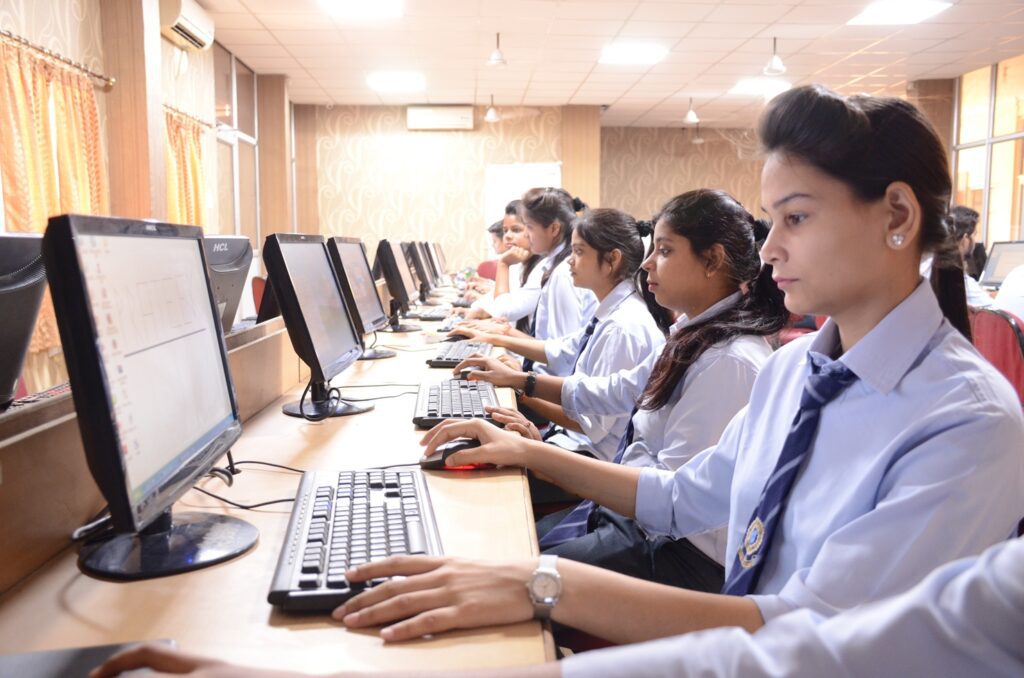
About the Department
Other Courses
HoD Message
Dr. Anita Pal
Head of Department
Computer Science and Engineering
HoD Message
Learning is a continuous process and does not end with the acquisition of a degree, especially because steady and rapid advances in computing technologies shorten the life of tools and techniques prevalent today. Therefore, we do not aim to make our students walk manuals of any language or package. Instead, they are given a strong foundation in computer science and problem-solving techniques and are made adaptable to changes. We believe that this approach to teaching-learning, coupled with practical experience gained during Industrial Training in reputed organizations, equips our students to handle the challenges posed by the software industry. I am confident that you will find our students worthy of your organization.
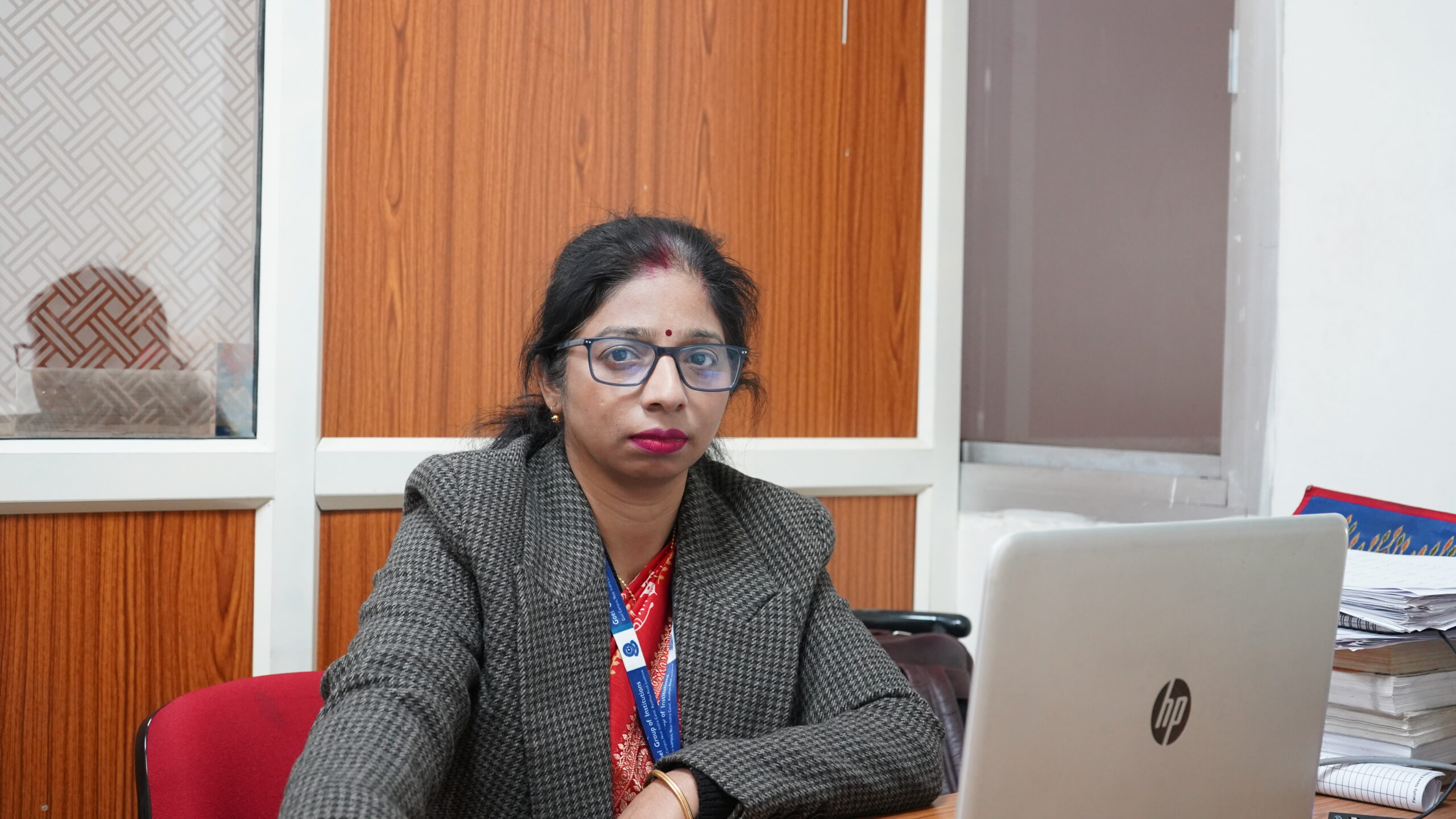
Dr. Anita Pal
Vision
To provide a congenial environment for learning in discipline of Computer Science and Engineering (Data Science), and to mobilize students towards serving a globalized technological society.
Mission
Silent feature of Department
- Qualified, Experienced and Technically sound pool of faculty members.
- Motivation to students with immense expertise and technical exposure in related fields such as Artificial Intelligence, Big Data, Cloud Computing, Machine Learning & Deep Learning.
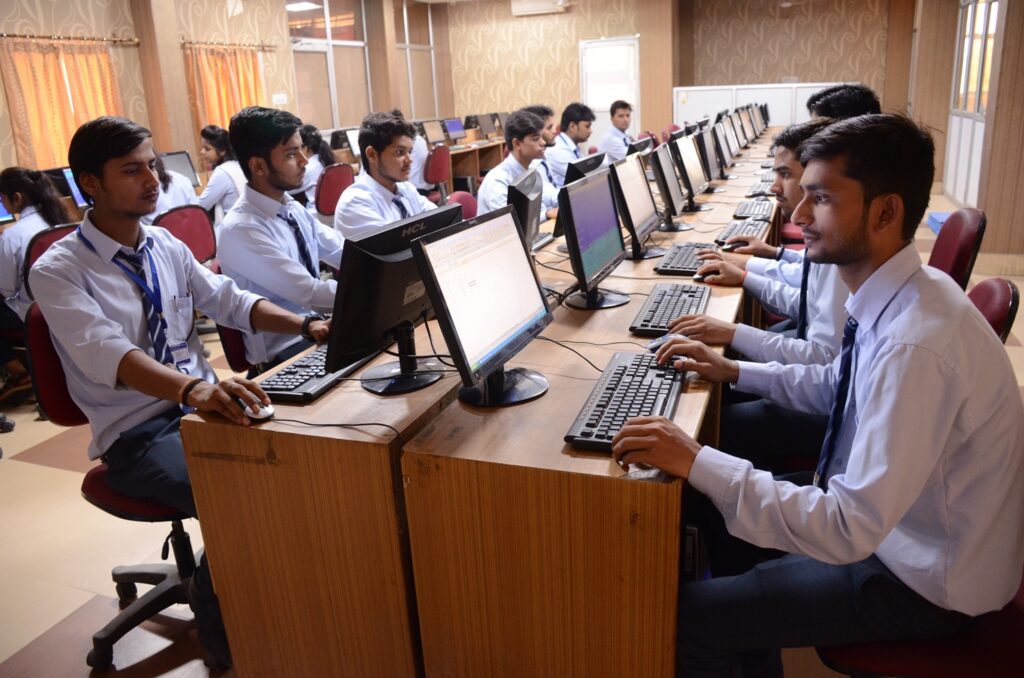
- Best computation facility with high-speed internet and Wi-Fi connectivity.
- Collaboration and conduction of various online courses, workshops & webinars with Computer Society of India (CSI), ICT Academy, NPTEL & Spoken Tutorial.
- Regular competitions under Computer Nerds a platform for the students to equip their knowledge in all fields, with the best minds.
- Departmental magazine “G.byte” to harvest the hidden talent of students in various fields of engineering, research and technology.
- Strong Alumni network, various working at the top position in IT industry.
Computer Science Laboratory
- Data Structures Using C Lab
- Discrete Structure & Logic Lab
- Computer Organization & Architecture Lab
- Compiler Design Lab
- Database Management System Lab
- Web Technology Lab
- Design and Analysis of Algorithm Lab
- Distributed System Lab
- Cryptography and Network Security Lab
- Artificial Intelligence Lab
- Python Programming Language Lab
- Operating System Lab
- Microprocessor Lab
- Software Engineering Lab
- Data Analytics Lab
- Computer Network Lab
- FOCS LAB
- Advance Algorithm Lab
- Wireless & Mobile Networks Lab
- M.Tech. Research Lab
Program Educational Objectives (PEO)
PEO1. The Students graduating from the department shall be made proficient in all the necessary computer skills to make them job-ready for national and multi-national companies.
PEO2. The Students graduating from the department shall be made familiar with the latest development in computer science so that they can pursue their carrier in higher studies.
PEO3. The Students graduating from the department shall inculcate professional behaviour and leadership capabilities in their character to start up their own business or develop as an entrepreneur.
PEO4. The Students graduating from the department shall be fed with strong ethical values so that they can become a boon for society.
Program Outcomes (PO)
- Engineering knowledge: Apply the knowledge of mathematics, science, engineering fundamentals, and an engineering specialization to the solution of complex engineering problems.
- Problem analysis: Identify, formulate, review research literature, and analyze complex engineering problems reaching substantiated conclusions using first principles of mathematics, natural sciences, and engineering sciences.
- Design/development of solutions: Design solutions for complex engineering problems and design system components or processes that meet the specified needs with appropriate consideration for the public health and safety, and the cultural, societal, and environmental considerations.
- Conduct investigations of complex problems: Use research-based knowledge and research methods including design of experiments, analysis and interpretation of data, and synthesis of the information to provide valid conclusions..
- Modern tool usage: Create, select, and apply appropriate techniques, resources, and modern engineering and IT tools including prediction and modelling to complex engineering activities with an understanding of the limitations.
- The engineer and society: Apply reasoning informed by the contextual knowledge to assess societal, health, safety, legal and cultural issues and the consequent responsibilities relevant to the professional engineering practice.
- Environment and sustainability: Understand the impact of the professional engineering solutions in societal and environmental contexts, and demonstrate the knowledge of, and need for sustainable development.
- Ethics: Apply ethical principles and commit to professional ethics and responsibilities and norms of the engineering practice.
- Individual and team work: Function effectively as an individual, and as a member or leader in diverse teams, and in multidisciplinary settings.
- Communication: Communicate effectively on complex engineering activities with the engineering community and with society at large, such as, being able to comprehend and write effective reports and design documentation, make effective presentations, and give and receive clear instructions.
- Project management and finance: Demonstrate knowledge and understanding of the engineering and management principles and apply these to one’s own work, as a member and leader in a team, to manage projects and in multidisciplinary environments.
- Life-long learning: Recognize the need for, and have the preparation and ability to engage in independent and life-long learning in the broadest context of technological change.
Program Specific Outcomes (PSO)
- PSO1: To provide relevant knowledge of mathematical and algorithmic skills with core subjects of computer science engineering elevated with standard tools and technologies along powered by the ethical and behavioural attitude in practice to have perfect suitability for industry, academia and research interfaces.
- PSO2: To inculcate the ability to use abstractions and modelling techniques for formulating real-world engineering problems of various domains and design solutions.
- PSO3: To enhance knowledge and skills of understanding, analyzing and developing strategies utilizing the advancement of computer science engineering in an upcoming area like data science, cloud computing, machine learning, computer vision and deep learning.
Faculty Members
| S.No. | Name | Designation | Qualification |
|---|---|---|---|
| 1 | Mr. Rishi Mohan Awasthi | Asst Professor | Master of Technology |
| 2 | Mr. Neeraj Kumar | Asst Professor | Master of Technology |