
Bio-Technology
About the Course
The Department of Biotechnology Engineering is continuously committed to providing quality education that nurtures professional excellence among students. Established in 2014, the department envisions developing skilled bioengineers capable of working in interdisciplinary areas of biotechnology for the welfare of the nation, society, and the environment. Biotechnology is a rapidly evolving, research-driven field, and the department focuses on preparing students for careers in industry and research organizations through a dynamic and updated curriculum.
The department is supported by well-qualified faculty members from eminent universities with strong research credentials and proven publication records. Faculty are proficient in delivering effective teaching through both online and offline modes. Current research thrust areas include Molecular Biology, Genetic Engineering, Plant Biotechnology, Microbiology, Biochemistry, Bioinformatics, Immunology, Bioprocess Technology, Food Biotechnology, and Nano-Biotechnology. To strengthen research and practical training, the department houses well-equipped, state-of-the-art laboratories, including Genetics and Molecular Biology, Genetic Engineering, Biochemistry and Analytical Techniques, Microbiology and Immunology, Food Biotechnology, Plant Tissue Culture, Bioprocess and Fermentation, Bioinformatics, and Nano-Biotechnology laboratories. Additionally, the institute is recognized as an official nodal center of Virtual Labs, IIT Kanpur (an initiative of the Ministry of Education, Government of India), providing students with enhanced virtual laboratory learning experiences.
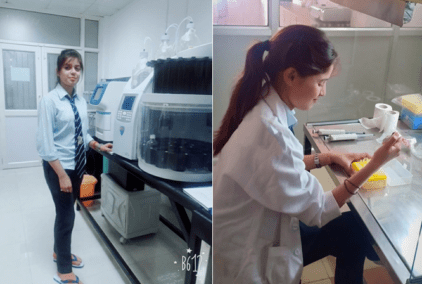
The Biotechnology Engineering Department maintains strong linkages with reputed research centers such as CSIR, ICMR, ICAR, MRD Life Sciences, ITLS Academy, Coca-Cola, and others to enhance industrial training and research exposure for students. Regular interactions with academia and industry are promoted through conferences, seminars, workshops, guest lectures, and industrial visits. The department also encourages e-learning through platforms like NPTEL, SWAYAM, and Spoken Tutorials (IIT Bombay), along with personality development programs, enabling students to achieve excellent placements and win national and international competitions.
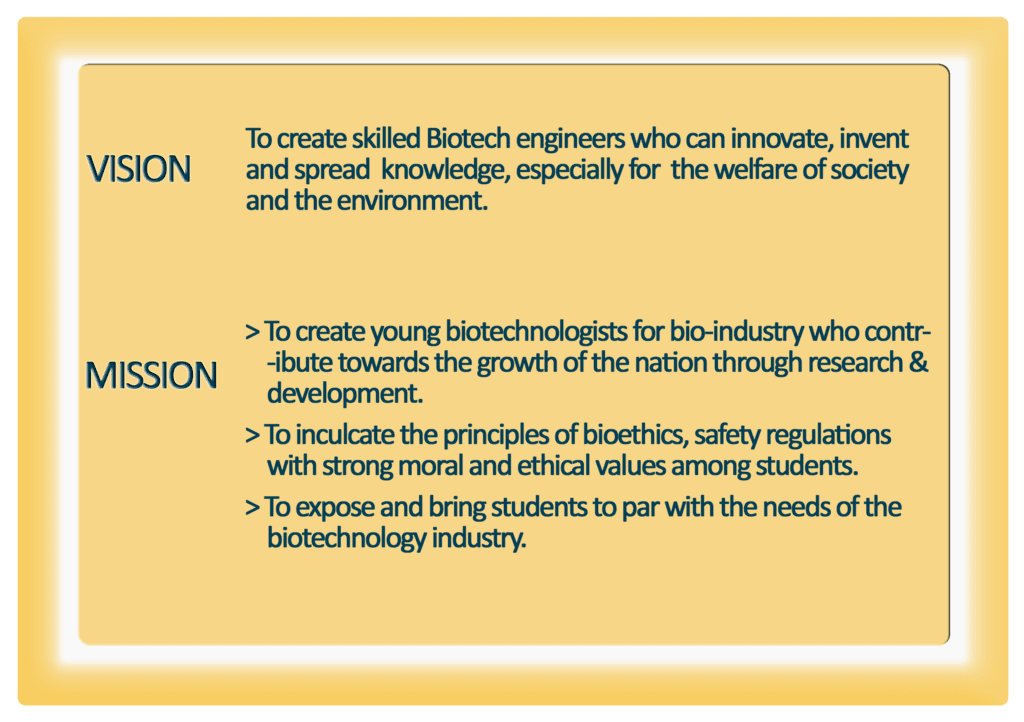
Our Vision
Our Mission
- To offer a comprehensive biotechnology-based educational program aimed at developing a skilled and quality workforce.
- To create awareness about the vast potential of biotechnology along with its socio-ethical implications.
- To develop well-trained biotechnology professionals capable of contributing to the continuous improvement of biotechnological services and products.
Head of Department
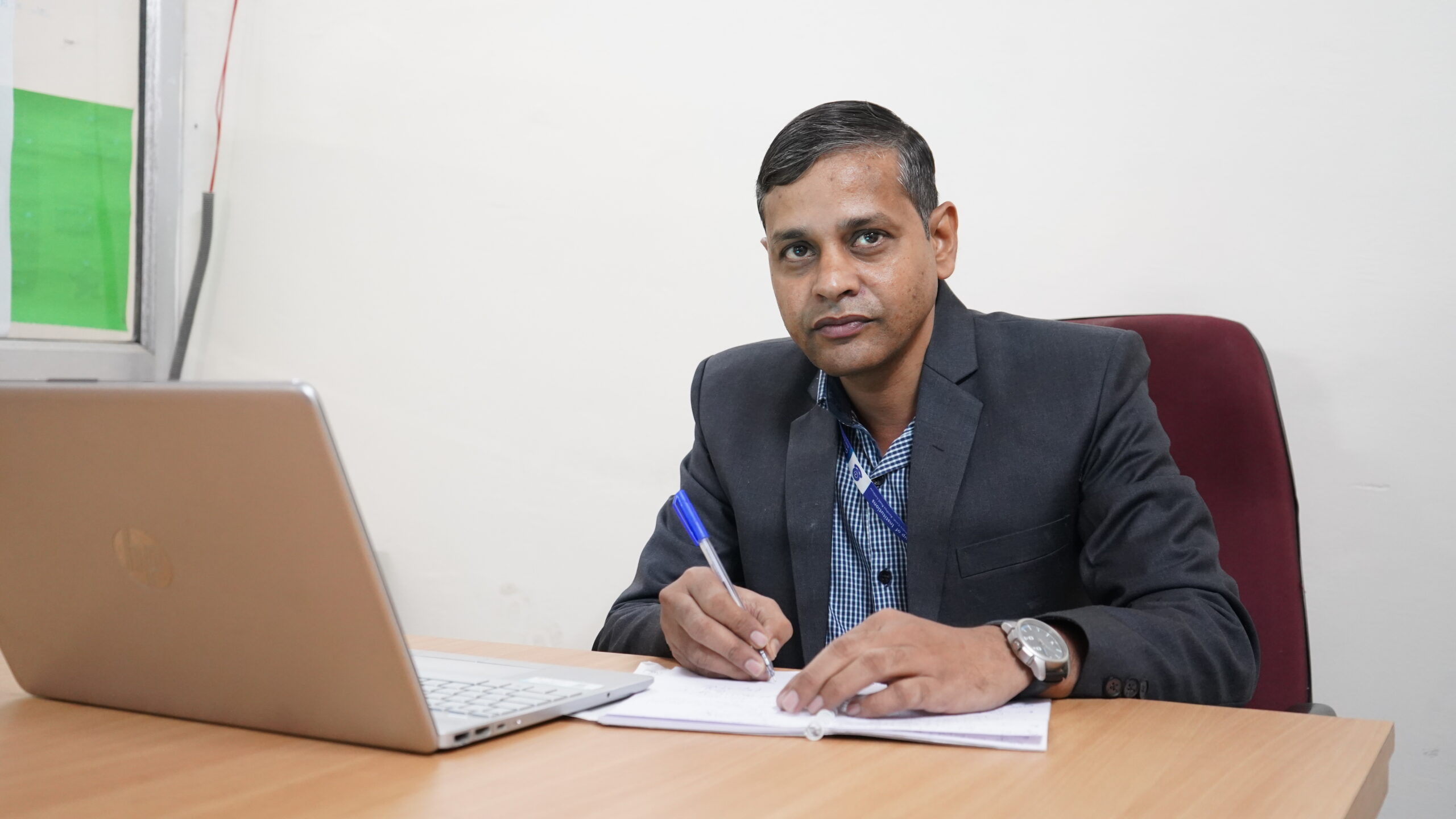
Dr. Prashant Katiyar
(Ph.D), M.Tech, B.Tech)
Program Educational Objectives (PEO)
- To inculcate biotechnology graduates for a successful technical aptitude and professional career in the biotechnology industry with enriched professional communication skills.
- To promote our students for awareness of lifelong learning and to introduce them to professional ethics and practices.
- To make our students competent for working knowledge as per the needs of the biotechnology industry and motivate them for higher studies and research fields with strong fundamentals to design, analyze and solve technical problems.
Program Outcomes (PO)
1-> Engineering knowledge: Apply the knowledge of mathematics, science, engineering fundamentals, and an engineering specialization to the solution of complex engineering problems.
2-> Problem analysis: Identify, formulate, review research literature, and analyze complex engineering problems reaching substantiated conclusions using first principles of mathematics, natural sciences, and engineering sciences.
3-> Design/development of solutions: Design solutions for complex engineering problems and design system components or processes that meet the specified needs with appropriate consideration for the public health and safety, and the cultural, societal, and environmental considerations.
4-> Conduct investigations of complex problems: Use research-based knowledge and research methods including design of experiments, analysis and interpretation of data, and synthesis of the information to provide valid conclusions..
5-> Modern tool usage: Create, select, and apply appropriate techniques, resources, and modern engineering and IT tools including prediction and modelling to complex engineering activities with an understanding of the limitations.
6-> The engineer and society: Apply reasoning informed by the contextual knowledge to assess societal, health, safety, legal and cultural issues and the consequent responsibilities relevant to the professional engineering practice.
7-> Environment and sustainability: Understand the impact of the professional engineering solutions in societal and environmental contexts, and demonstrate the knowledge of, and need for sustainable development.
8-> Ethics: Apply ethical principles and commit to professional ethics and responsibilities and norms of the engineering practice.
9-> Individual and team work: Function effectively as an individual, and as a member or leader in diverse teams, and in multidisciplinary settings.
10-> Communication: Communicate effectively on complex engineering activities with the engineering community and with society at large, such as, being able to comprehend and write effective reports and design documentation, make effective presentations, and give and receive clear instructions.
11-> Project management and finance: Demonstrate knowledge and understanding of the engineering and management principles and apply these to one’s own work, as a member and leader in a team, to manage projects and in multidisciplinary environments.
12-> Life-long learning: Recognize the need for, and have the preparation and ability to engage in independent and life-long learning in the broadest context of technological change.
Program Specific Outcomes (PSO)
- Graduates shall have the ability to apply fundamental knowledge of biological and engineering principles and use of scientific methods to apply quantitative, qualitative and computational skills to solve the problems in biotechnology industry and research organizations.
- Graduates shall have the research-based knowledge viz., experimental design, analysis and interpretation of various biological data related to genetics and molecular biology, genetic engineering, and bioinformatics for fruitful developments in biotechnology.
- Graduates shall have the ability to work in groups or individually with strong moral values to promote the importance of entrepreneurship, communication and management skills for the next generation biotechnologists.
Faculty Members
| S.No. | Name | Designation | Qualification |
|---|---|---|---|
| 1 | Dr. Prashant Katiyar | Asst Professor & HOD | Ph.D |
| 2 | Dr. Namrata Kumar | Asst Professor | Ph.D |
| 3 | Mr. Ahsan Masood | Asst Professor | Master of Technology, Ph.D (Pursuing) |
| 4 | Mr. Shubhra Sharma | Asst Professor | Master of Technology, Ph.D (Pursuing) |
| 5 | Mr. Surya Mishra | Asst Professor | Master of Technology, Ph.D (Pursuing) |
| 6 | Miss. Kanchan Bhatt | Asst Professor | Master of Technology, Ph.D (Pursuing) |
| 7 | Mr. Gopal Jee Tiwari | Asst Professor | Master of Technology |
| 8 | Miss. Dewanshi Mishra | Asst Professor | Master of Technology |
| 9 | Miss Neha Bharti | Asst Professor | Master of Technology |
Laboratory
Genetics & Molecular Biology Lab
Genetic Engineering Lab
Biochemistry & Analytical Techniques Lab Enzyme Engineering Lab
Microbiology & Immunology Lab
Plant Biotechnology Lab
Bioprocess
Engineering – I Lab
Bioprocess Engineering – II & Fermentation Biotechnology Lab
Fermentation Biotechnology Lab
Environmental Biotechnology Lab
Bioinformatics Lab
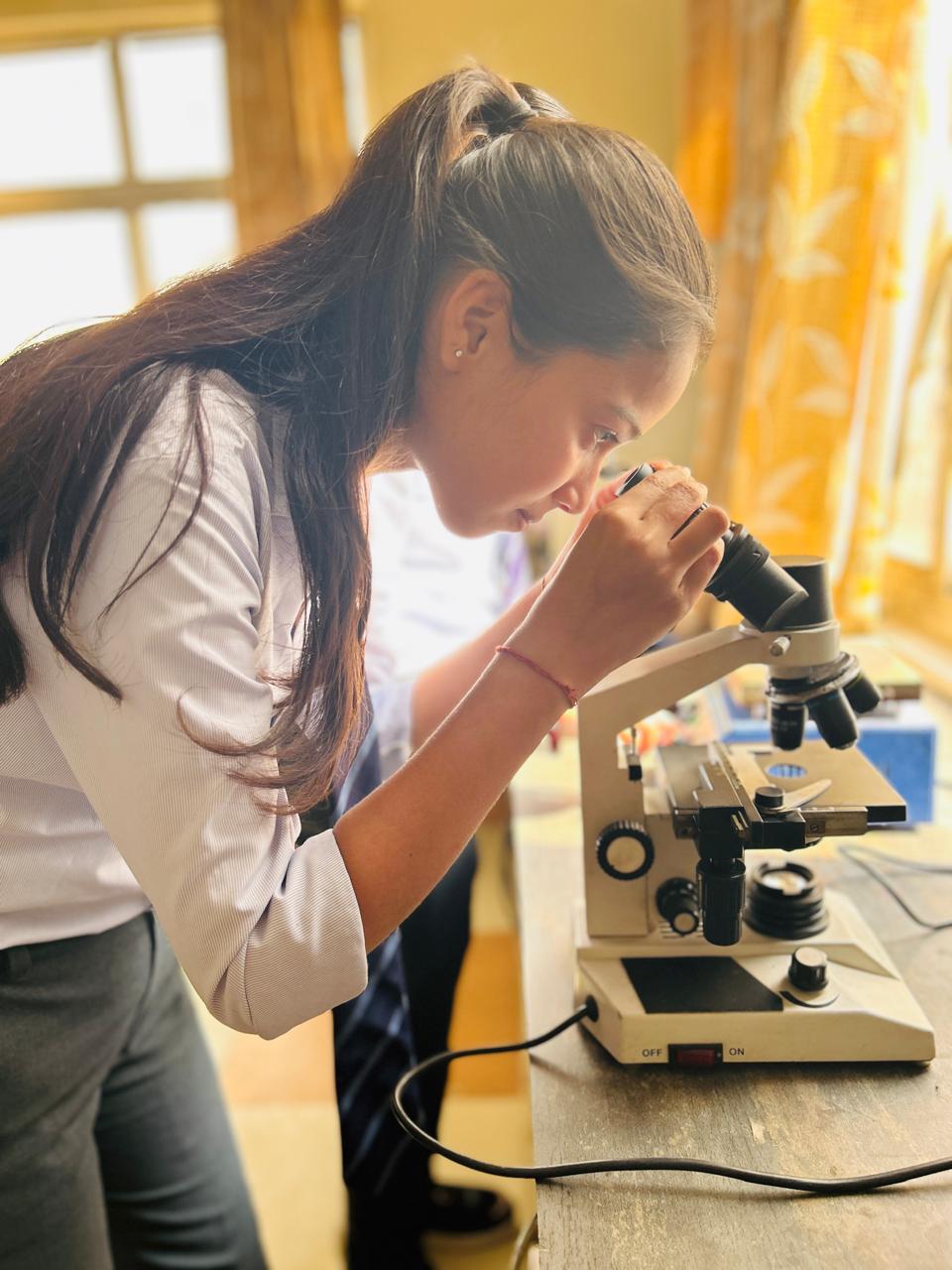
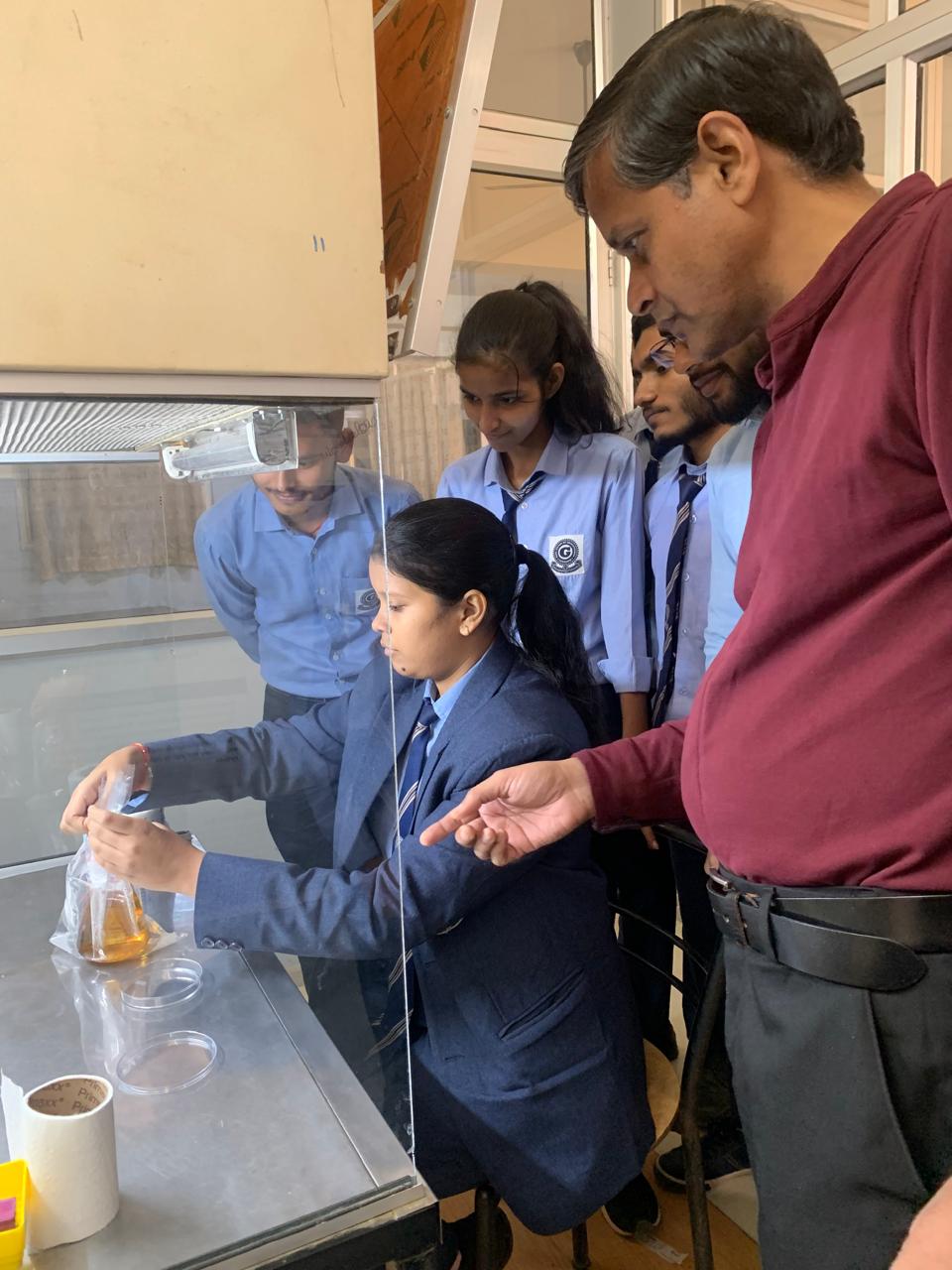
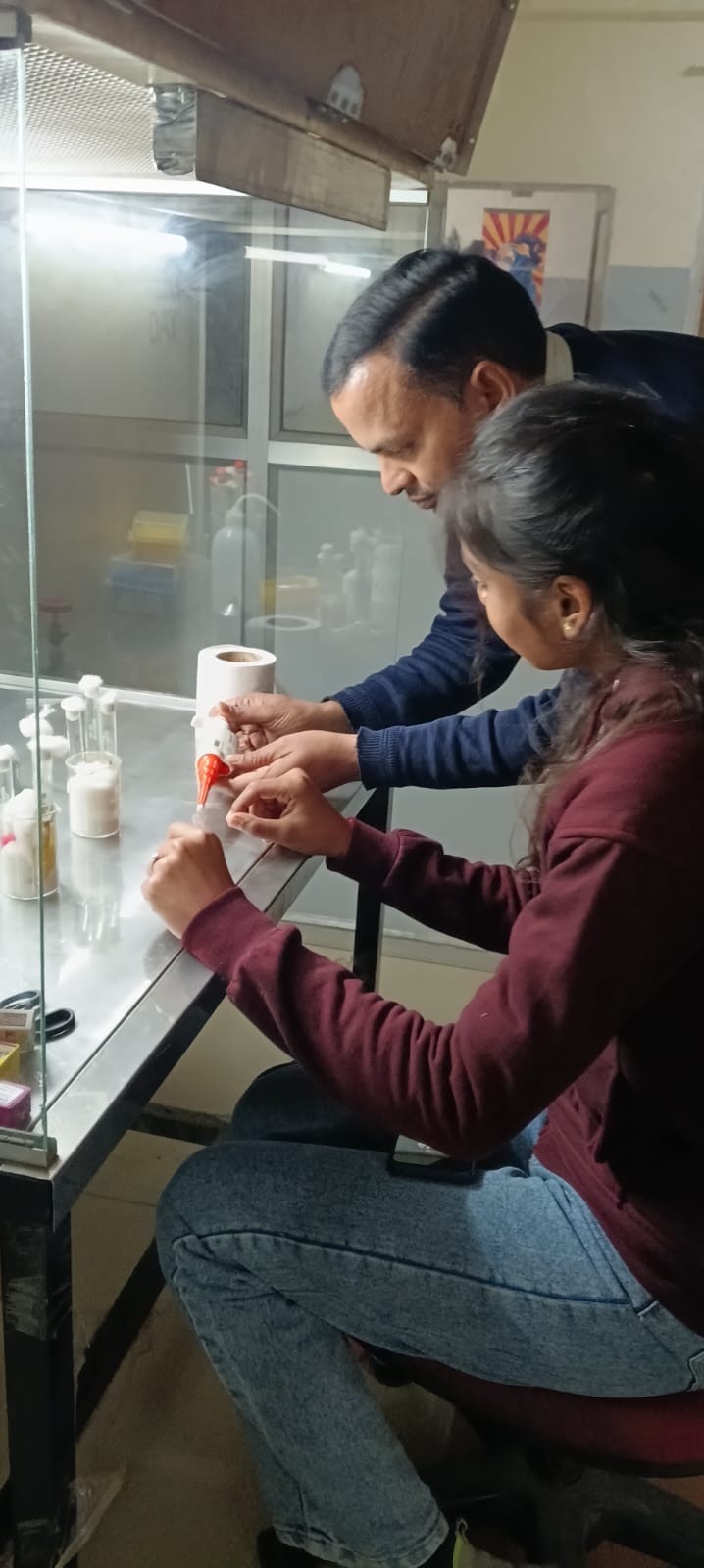
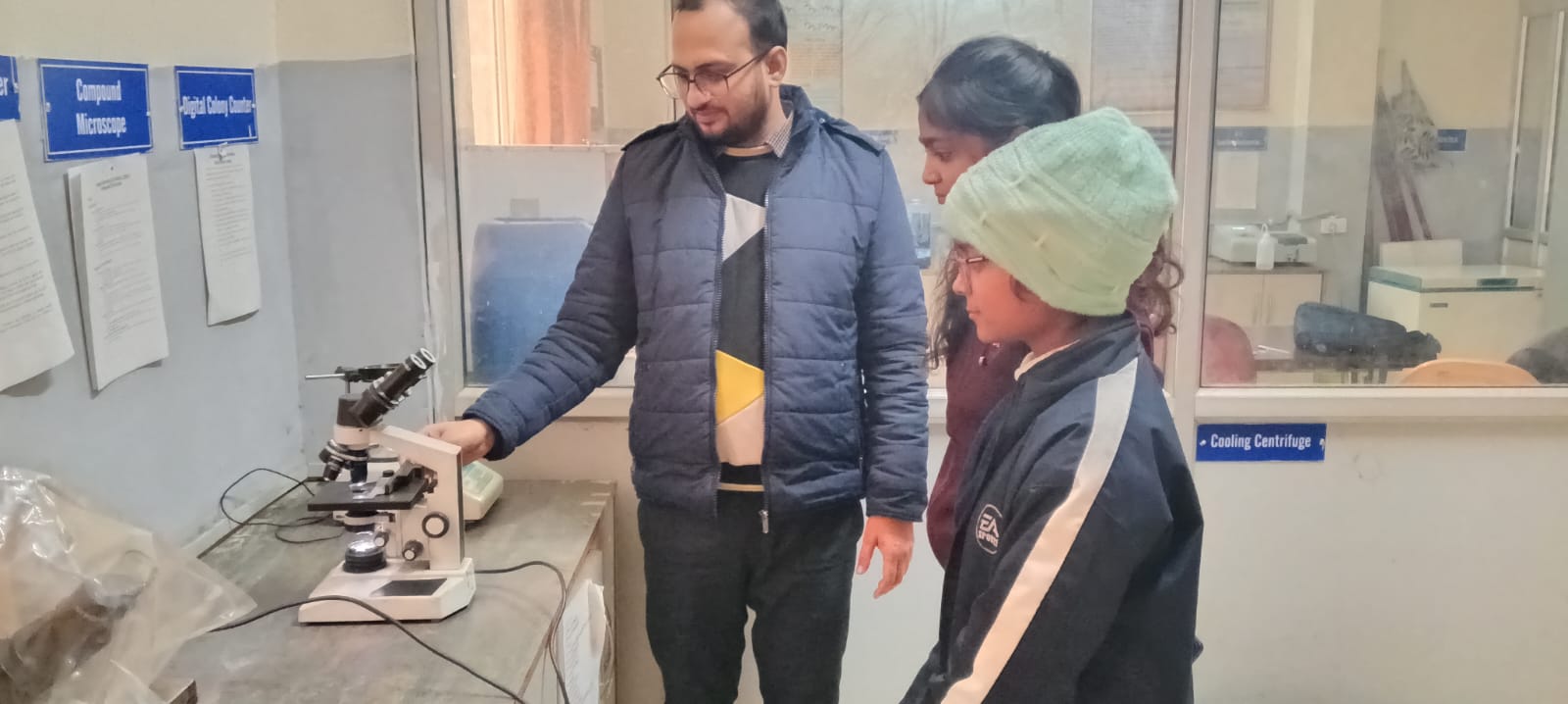
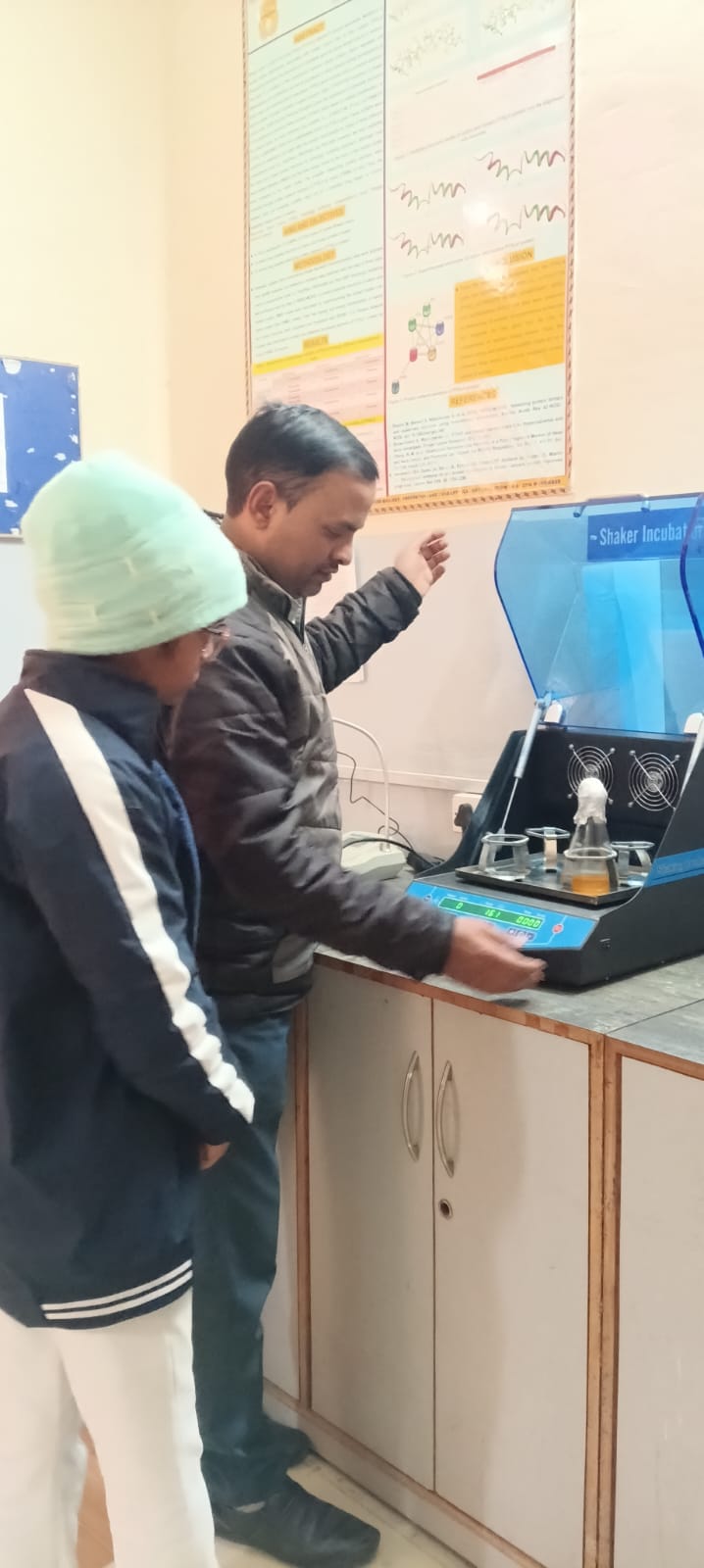
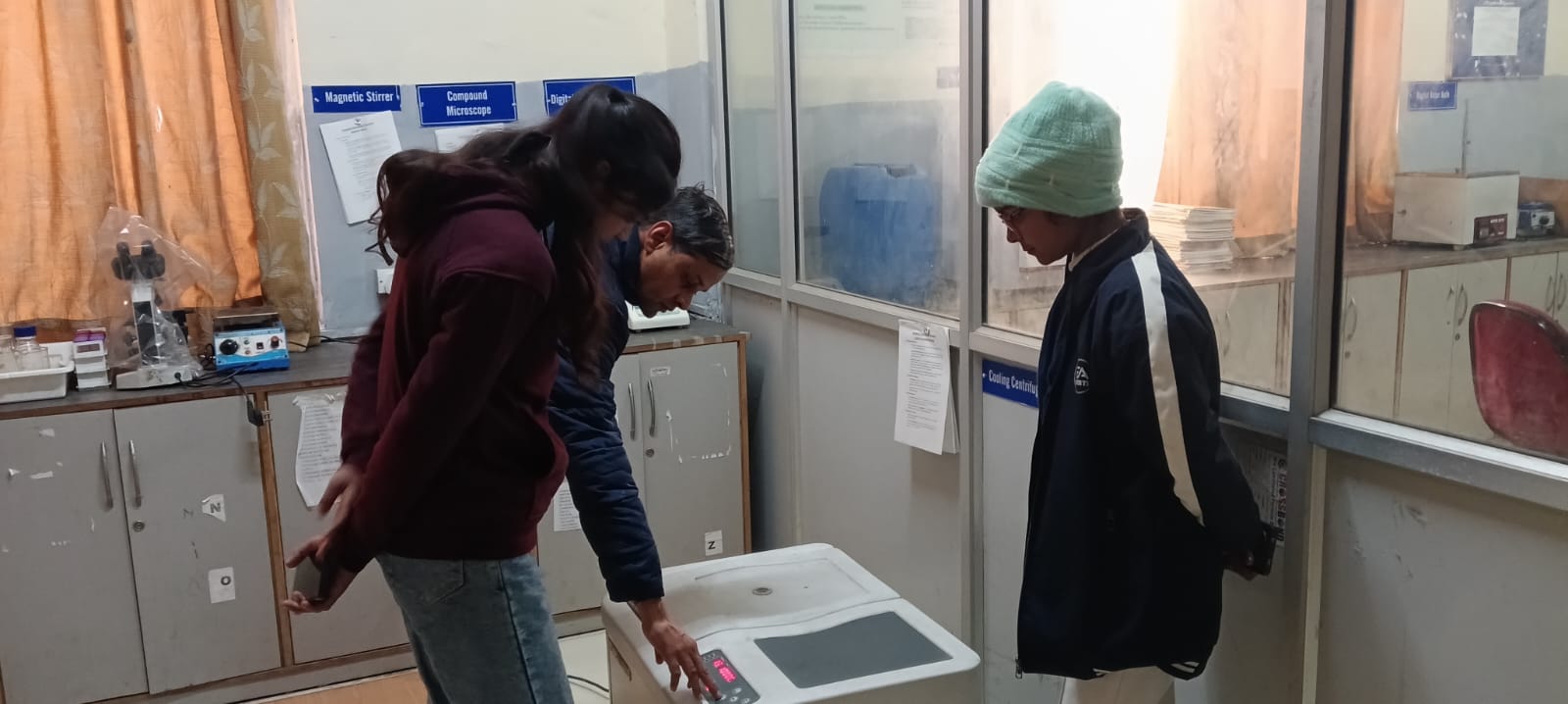
Biotechnology Engineering Department Activities:
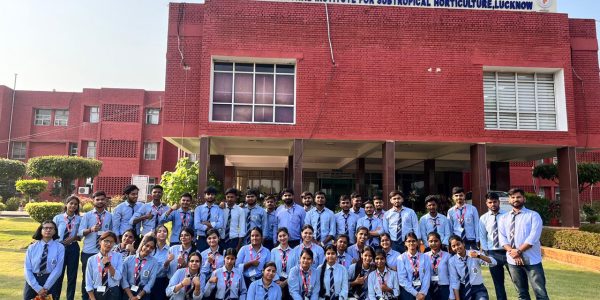
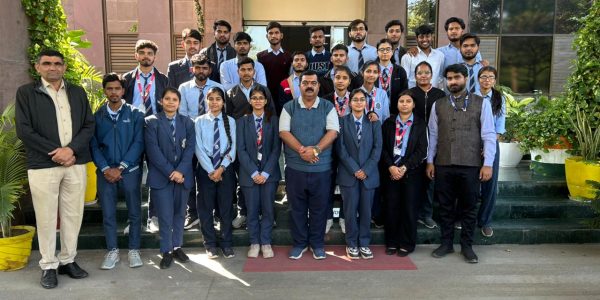
Description: The Department of Biotechnology organized an educational visit to the CSIR–Central Institute for Subtropical Horticulture, where students gained hands-on exposure to laboratory safety practices in plant tissue culture. The visit enhanced their understanding of developing improved genetic variants of mango and guava and managing viral and bacterial diseases. Students also learned advanced techniques such as electrophonics, hydroponics, and explant tissue culture.
Banas amul Diary processing unit visit
Description: The Department of Biotechnology Engineering organized an industrial visit to the Banas Amul Dairy Processing Unit on 28th November 2025. During the visit, students explored milk, cheese, and ice cream processing sections and gained practical insights into large-scale dairy operations. The interaction enhanced their understanding of advanced technologies used in modern dairy product processing.
Birbal Sahini Institute of Paleosciences Visit
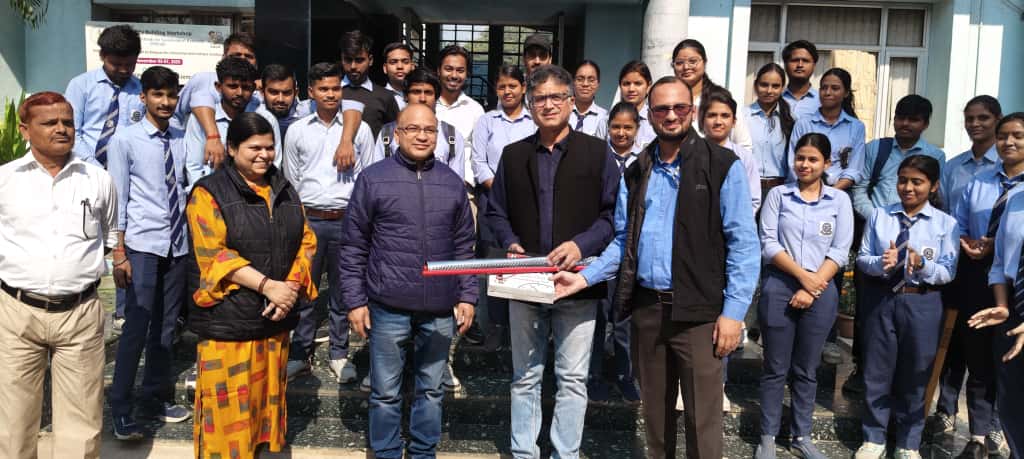
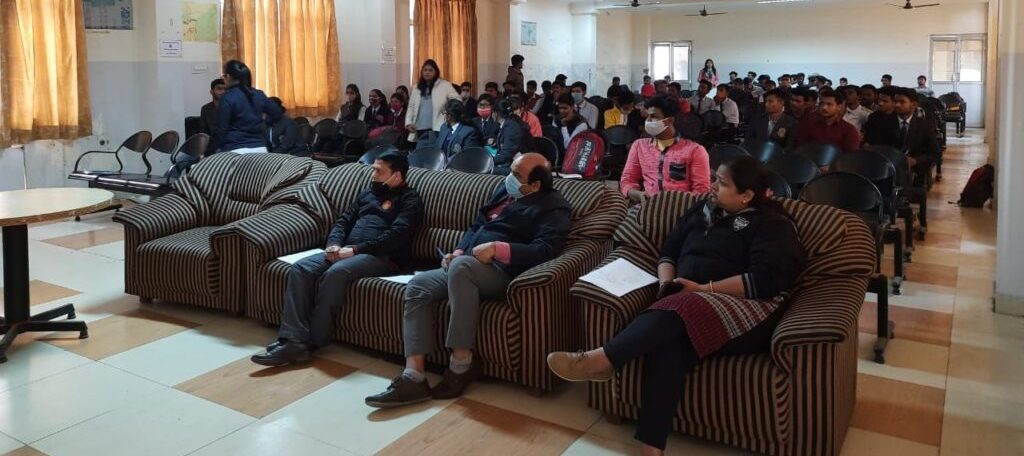
Description: In November, the Department of Biotechnology Engineering organized an educational visit to the Birbal Sahni Institute of Palaeosciences. Students explored fossil collections of insects, animals, and plants, gaining insights into their preservation methodologies. The visit also enhanced their understanding of scientific data interpretation using advanced analytical instrumentation.
Varun Beverages Plant Visit
Description: The Department of Biotechnology Engineering organized an industrial visit to the Varun Beverages Plant, Sandila (Lucknow) on 2nd June 2025, with active participation B.Tech Biotechnology students. During the visit, students engaged with the Quality Control unit and gained practical insights about maintenance the sterility, safety measures, and operational culture of a beverage processing plant. The exposure helped them understand the advanced techniques involved in large-scale beverage processing and quality assurance
Biotech Park visit
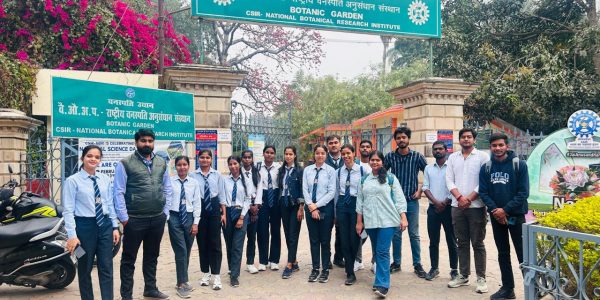
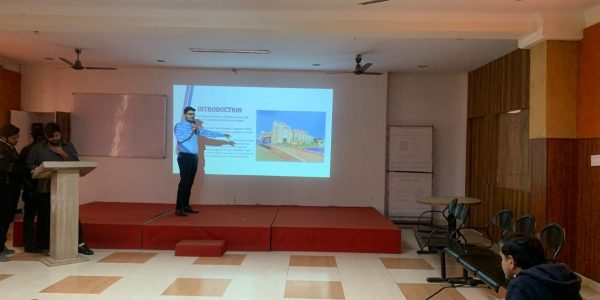
Description: The Department of Biotechnology organized an educational visit to NBRI and Biotech Park, Lucknow, on 28th February in celebration of National Science Day. Students actively participated in the NBRI visit and presented posters at Biotech Park, gaining exposure to laboratory practices and ongoing research. The visit also familiarized them with Good Laboratory Practice (GLP) guidelines and included seminars on autophagy and photoaging.
Internal Smart India Hackathon (SIH) 2025
Description: The Department of Biotechnology Engineering, GITM, under the aegis of IIC-GITM, successfully conducted the Internal Smart India Hackathon (SIH) 2025 on 13th September 2025. Biotechnology students actively participated by developing innovative computational healthcare models addressing neurodegenerative disorders such as Alzheimer’s and Parkinson’s, along with solutions related to PCOS, wastewater management, and agriculture. The event effectively showcased students’ creativity, innovation and problem-solving skills.
CSIR-CIMAP visit
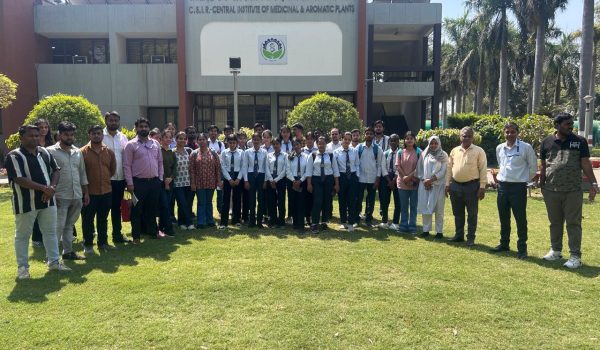
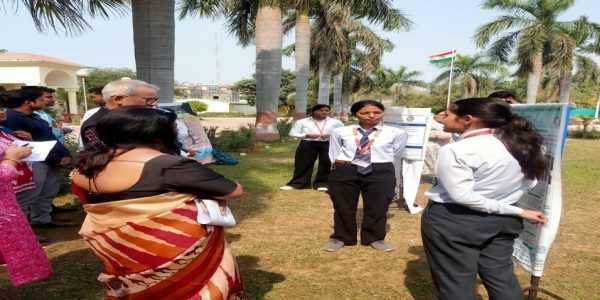
Description: The Department of Biotechnology Engineering organized an educational visit to CSIR–CIMAP on the occasion of its Foundation Day, with active participation from second- and third-year students. Students explored advanced research facilities including plant tissue culture, molecular biology laboratories, medicinal plant cultivation, and essential oil extraction units. The visit also provided hands-on exposure to analytical instruments such as gel documentation systems, automated sequencers, and essential oil extraction processes from aromatic medicinal plants.
Cytogene Research PVT. Ltd Visit
Description: The Department of Biotechnology Engineering organized an industrial visit to Cytogene Research Pvt. Ltd., with active participation from B.Tech Biotechnology students on 3rd March 2025. Students received hands-on training in core techniques such as HPTLC, HPLC, and PCR, along with data interpretation skills. The visit also strengthened their fundamentals in microbiology through practical exposure to streak plating and pour plating methods.
Seminar on LAB Skills that Matter:
Description: The Department of Biotechnology Engineering conducted an expert seminar on 3rd March 2025 titled “Lab Skills that Matter: From PCR to NGS” and “From Bench to Biotech: Building Career-Ready Skills.” B.Tech Biotechnology students actively participated and gained insights into next-generation sequencing of the human genome and its applications. The seminar enhanced students’ understanding of career-oriented skills in molecular biology and industrial microbiology.
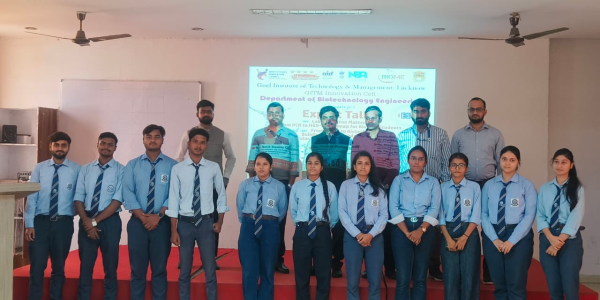
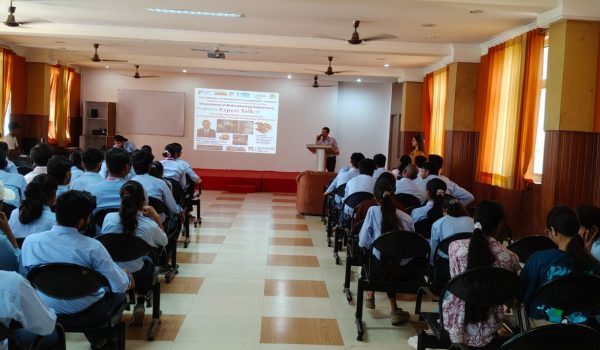
Farming the Future: Innovation & Entrepreneurship through the Mushroom cultivation
Description: The Department of Biotechnology Engineering organized a seminar on Innovation and Entrepreneurship Development through Mushroom Cultivation on 23rd May 2025. On this occasion, Prof. Girish Chandra Pathak delivered an insightful lecture highlighting entrepreneurial opportunities and innovative practices in mushroom cultivation. The session inspired students to explore sustainable agribusiness ventures through biotechnology
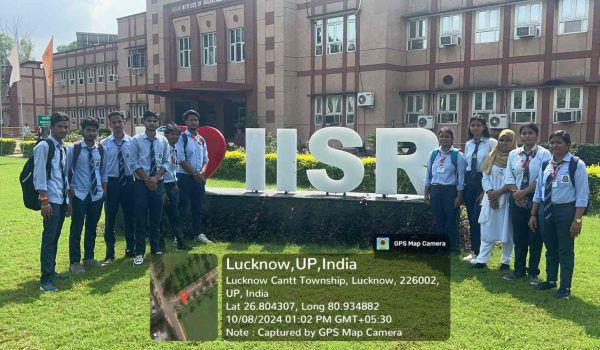
ICAR-Indian Institute of Sugarcane Research Visit
Description: The Department of Biotechnology Engineering organized an educational visit to the ICAR–Indian Institute of Sugarcane Research for B.Tech Biotechnology students. During the visit, students gained insights into the development of high-yielding and quality-improved sugarcane varieties. They also learned about breeding and biotechnological approaches for developing sugarcane varieties resistant to biotic and abiotic stresses.
Department of Biotechnology Engineering – Achievements
The Department of Biotechnology Engineering has consistently demonstrated excellence in academics, research, and innovation. The department has established strong collaborations with premier research organizations such as CSIR, ICMR, ICAR and leading industries, providing students with valuable hands-on industrial training and research exposure. Faculty members actively contribute to high-impact SCI/Scopus-indexed publications and have secured prestigious funded research projects, including UPCST, AICTE-Productization Fellowship and the YUKTI Challenge. Notably, the Faculty received the Dronacharya Award-2025 under the My Mentors initiative. A UPCST-funded project was sanctioned in 2024, under which student Mr. Kashif Raza received an annual grant of Rs. 20,000 under the supervision of Ms. Kanchan Bhatt. In 2025, two projects were selected in AICTE-Productization Fellowship, Yukti Innovation Challenge-2025, Institution Innovation council (IIC), AICTE:
“Neuro-AI: Integrated Brain MRI Auto-Tagging& AI-Powered Alzheimer screening, monitoring app”
“Development of a Predictive Model for PCOS Detection Based on Temporal-Life Style Pattern using Machine Learning”
The Biotechnology Engineering Department regularly organizes conferences, seminars, workshops, guest lectures, and industrial visits to effectively bridge the gap between academia and industry. Students have achieved significant success through internships, project awards, competitive examinations, entrepreneurship initiatives, and successful placements, reflecting the department’s commitment to nurturing skilled, innovative and socially responsible biotechnologists.
Highlights of Department
- Well qualified and experienced faculties from eminent universities with proven track records of research publications.
- Resilient links to many organizations like CSIR, ICMR, ICAR, Coca Cola, ITLS Academy, MRD Life Sciences, The Royal Honey Bee Farming Society, Acube Lab and IBRI for training and research aptitude.
- Vigorous interactions with academia, industry personnel and clinicians to boost young minds through:
- Organizing Seminars & Conferences.
- Workshops, Webinars and Guest lectures.
- Industrial Visits.
- The current trend of Biotechnology research includes Genetics & Molecular Biology, Genetic Engineering, Plant Biotechnology, Microbiology, Proteomics, Bioinformatics, Immunotechnology, Bioprocess Engineering and Food Technology.
- Excellent and consistent placement records.
- E-learning and online certified courses from many agencies like NPTEL, MOOCS, SWAYAM, IITs, TCS etc.
- Meritorious and rank holders in the AKTU examination.
- Personality Development classes are conducted for overall growth and better placements of the students.
Laboratory
- Genetics & Molecular Biology Lab
- Genetic Engineering Lab
- Biochemistry & Analytical Techniques Lab
Enzyme Engineering Lab - Microbiology & Immunology Lab
- Plant Tissue Culture Lab
- Bioprocess Engineering – I Lab
- Bioprocess Engineering – II & Fermentation Biotechnology Lab
- Bioseparation and Down Stream Processing Lab
- Environmental Biotechnology Lab
- Bioinformatics Lab
Program Educational Objectives (PEO)
- To inculcate biotechnology graduates for a successful technical aptitude and professional career in the biotechnology industry with enriched professional communication skills.
- To promote our students for awareness of lifelong learning and to introduce them to professional ethics and practices.
- To make our students competent for working knowledge as per the needs of the biotechnology industry and motivate them for higher studies and research fields with strong fundamentals to design, analyze and solve technical problems.
Program Outcomes (PO)
1-> Engineering knowledge: Apply the knowledge of mathematics, science, engineering fundamentals, and an engineering specialization to the solution of complex engineering problems.
2-> Problem analysis: Identify, formulate, review research literature, and analyze complex engineering problems reaching substantiated conclusions using first principles of mathematics, natural sciences, and engineering sciences.
3-> Design/development of solutions: Design solutions for complex engineering problems and design system components or processes that meet the specified needs with appropriate consideration for the public health and safety, and the cultural, societal, and environmental considerations.
4-> Conduct investigations of complex problems: Use research-based knowledge and research methods including design of experiments, analysis and interpretation of data, and synthesis of the information to provide valid conclusions..
5-> Modern tool usage: Create, select, and apply appropriate techniques, resources, and modern engineering and IT tools including prediction and modelling to complex engineering activities with an understanding of the limitations.
6-> The engineer and society: Apply reasoning informed by the contextual knowledge to assess societal, health, safety, legal and cultural issues and the consequent responsibilities relevant to the professional engineering practice.
7-> Environment and sustainability: Understand the impact of the professional engineering solutions in societal and environmental contexts, and demonstrate the knowledge of, and need for sustainable development.
8-> Ethics: Apply ethical principles and commit to professional ethics and responsibilities and norms of the engineering practice.
9-> Individual and team work: Function effectively as an individual, and as a member or leader in diverse teams, and in multidisciplinary settings.
10-> Communication: Communicate effectively on complex engineering activities with the engineering community and with society at large, such as, being able to comprehend and write effective reports and design documentation, make effective presentations, and give and receive clear instructions.
11-> Project management and finance: Demonstrate knowledge and understanding of the engineering and management principles and apply these to one’s own work, as a member and leader in a team, to manage projects and in multidisciplinary environments.
12-> Life-long learning: Recognize the need for, and have the preparation and ability to engage in independent and life-long learning in the broadest context of technological change.
Program Specific Outcomes (PSO)
- Graduates shall have the ability to apply fundamental knowledge of biological and engineering principles and use of scientific methods to apply quantitative, qualitative and computational skills to solve the problems in biotechnology industry and research organizations.
- Graduates shall have the research-based knowledge viz., experimental design, analysis and interpretation of various biological data related to genetics and molecular biology, genetic engineering, and bioinformatics for fruitful developments in biotechnology.
- Graduates shall have the ability to work in groups or individually with strong moral values to promote the importance of entrepreneurship, communication and management skills for the next generation biotechnologists.
Faculty Members
| S.No. | Name | Designation | Qualification |
|---|---|---|---|
| 1 | Dr. Prashant Katiyar | Asst Professor & HOD | Ph.D |
| 2 | Dr. Namrata Kumar | Asst Professor | Ph.D |
| 3 | Mr. Ahsan Masood | Asst Professor | Master of Technology, Ph.D (Pursuing) |
| 4 | Ms. Shubhra Sharma | Asst Professor | Master of Technology, Ph.D (Pursuing) |
| 5 | Ms. Surya Mishra | Asst Professor | Master of Technology, Ph.D (Pursuing) |
| 6 | Ms. Kanchan Bhatt | Asst Professor | Master of Technology, Ph.D (Pursuing) |
| 7 | Mr. Gopal Jee Tiwari | Asst Professor | Master of Technology |
| 8 | Ms. Dewanshi Mishra | Asst Professor | Master of Technology |
| 9 | Miss Neha Bharti | Asst Professor | Master of Technology |